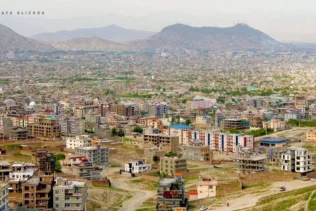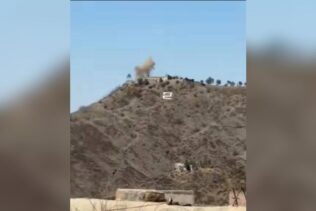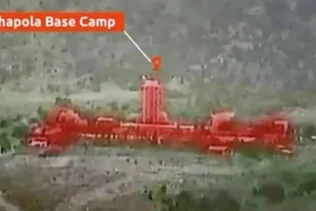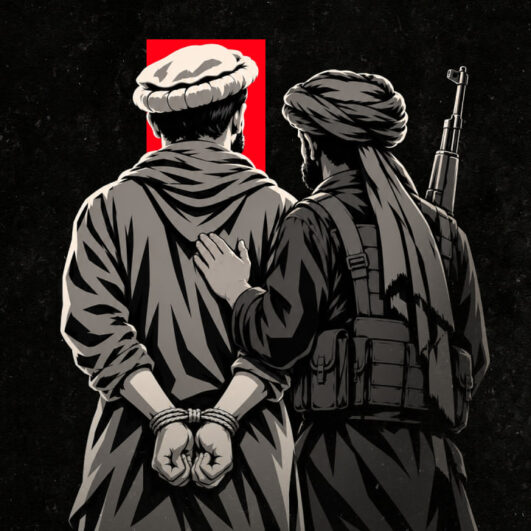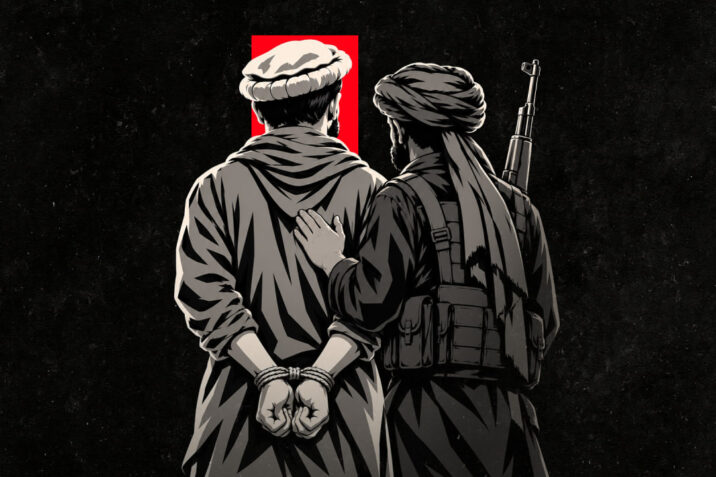
In a few days, Taliban rule in Afghanistan will enter its sixth year. Throughout this period, the group’s most important political and propaganda claims have been the establishment of nationwide security, complete control over Afghanistan’s territory, and the absence of any effective opposition force. The Taliban have turned these claims into one of their main propaganda tools in domestic and international discussions and have consistently attempted to present an image of a fully dominant, stable, and uncontested government.
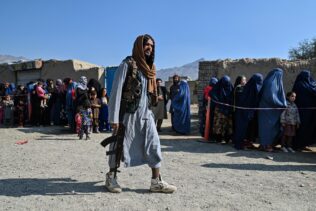
KABUL, AFGHANISTAN - The United Nations Office on Drugs and Crime (UNODC) and the International Organization for Migration (IOM) have warned that overlapping crises in Afghanistan are increasing vulnerabilities to human trafficking, exploitation, and forced labour, calling for stronger coordinated efforts to prevent trafficking and protect victims and survivors. In a joint statement marking the World Day against Trafficking in Persons, the two UN agencies said that Afghanistan’s ongoing challenges, including the large-scale forced return of Afghans from neighbouring countries, the decline of the rural opium-based economy, severe reductions in humanitarian assistance, natural disasters, and continued restrictions on the rights of women and girls, have created conditions where more people are at risk of trafficking.
Terrorism in Europe
Europe today faces a challenge that may seem small in scale, but its political and social impact is profound. Newly released reports from Europol, examining the state and trends of terrorism in Europe for 2024, show that jihadist attacks have not only failed to decrease, but their very nature is also changing.