


KABUL, AFGHANISTAN – The Taliban’s morality law has sharply restricted Afghan women’s movement, employment and access to healthcare, contributing to widespread fear and isolation, according to a study by the Canada-based Forward Together Development Network (FTD-N).
The study, published on Monday, is based on research conducted from mid-2025 to early 2026 and surveyed 770 people in Kabul, Herat, Bamyan and Daikundi, with women accounting for 91% of respondents.
Taliban Supreme Leader Hibatullah Akhundzada signed the 35-article Law on the Promotion of Virtue and Prevention of Vice on April 19, 2024. The law codifies the Taliban’s interpretation of Islamic rules and sets requirements for public conduct, including gender segregation, full hijab for women, and restrictions on women travelling without a male guardian.
The law also imposes rules on men, including restrictions on ties, shorts and hairstyles deemed “un-Islamic”, and requires beards to be at least fist-length. Violations can result in warnings, fines or detention for up to three days, while repeat offenders may be referred to courts.
The morality law forms part of wider restrictions imposed on women and girls since the Taliban returned to power in August 2021. Authorities have barred girls from secondary and higher education, excluded women from most jobs and restricted their access to public spaces including parks, gyms and beauty salons.
The FTD-N study found a significant decline in women’s freedom of movement. The proportion reporting regular daily outings, excluding holidays, fell to 23% from 52% under the previous government. Only 12% said they could move without restrictions, compared with 56% before the Taliban takeover.
64% of respondents said they had not gone out for recreation during the previous year, compared with 14% before the Taliban returned to power.
Fear of enforcement was also widespread. 96% of women surveyed said they feared leaving home without a male guardian, including 58% who described the fear as “very high.” 85% reported high levels of loneliness and despair.
The restrictions have also affected employment and household finances, according to the study. 68% of respondents said they had lost their jobs because of the morality law and related restrictions, while the same proportion reported significant damage to their future employment prospects.
92% said their household income had declined, including 47% who described the impact as very high.
Healthcare access was another major concern. 88% of women said they had faced restrictions or been denied healthcare linked to male-guardian requirements, while 42% said they had been completely denied healthcare in such circumstances.
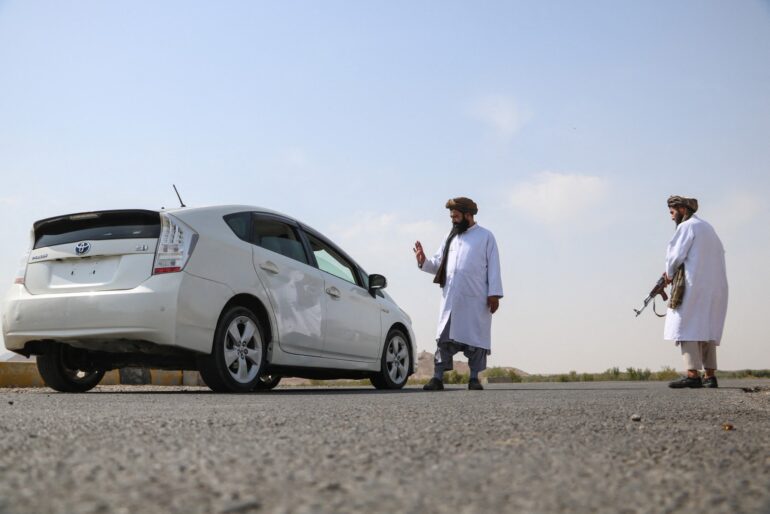
The study also documented direct encounters with morality enforcers. 61% of respondents reported warnings, confrontations or other interventions, while 11% said they had experienced physical violence and 8% reported being detained.
Three-quarters of respondents said mechanisms for reporting or challenging abuses by morality enforcers were either nonexistent or ineffective.
FTD-N said enforcement of the law was contributing to the exclusion of women from social, economic and public life and encouraging some families to impose additional restrictions on female relatives because of fears of harassment, punishment or detention.
The organization called on the international actors to make women’s rights central to engagement with the Taliban, strengthen sanctions and accountability measures against those responsible for rights violations, pursue international accountability, and expand direct, flexible support for Afghan women, including online education, legal and psychological assistance and protection mechanisms.

