
KABUL, AFGHANISTAN – Two community representatives from Omid Sabz Township in western Kabul have been detained by the Taliban’s Ministry of Justice for about a week, according to sources in the area.
A source told KabulNow on Saturday, November 14, that the two representatives, identified as Abdul Raziq Musaddiq and Wakil Jafari, were summoned to the Taliban Ministry of Justice last Sunday along with two other community representatives. They were detained following the meeting.
According to the source, the other two representatives were released after signing a form and agreeing to vacate their homes. However, Musaddiq and Jafari remain in detention. Their families have reportedly had no information about their whereabouts or condition since Sunday.
The Taliban have declared the land on which Omid Sabz Township is built to be state-owned and have ordered homeowners to surrender their properties.
The group has also told residents that those unwilling to leave their homes must pay rent. The Taliban have reportedly set the monthly rent at 4,000 Afghanis or approximately US$61.50 per room.
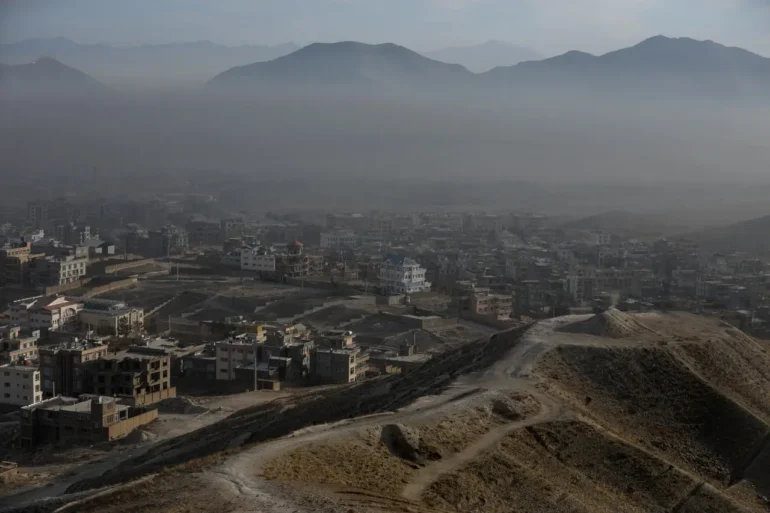
Omid Sabz Township is located in western Kabul and is predominantly inhabited by members of Afghanistan’s Hazara community. The residential area was developed over the past two decades. Mohammad Nabi Khalili, the brother of Mohammad Karim Khalili, a former Afghan vice-president, is among the township’s owners.
Mohammad Nabi Khalili has maintained that Omid Sabz Township was established on the basis of valid legal title deeds, official ownership documents, full clearance from the relevant authorities and a legal construction permit.
He has also said that all the land in the township was purchased from individuals who, according to available documents, had owned the properties for years and generations, possessed valid title deeds and had a tax payment history dating back decades.
The latest developments come amid a wider dispute over land ownership in Omid Sabz Township. On April 26, 2026, the Taliban’s Ministry of Justice announced that more than 1,500 jeribs (approximately 300 hectares) of land in the township had been declared state property following a ruling by a special court dealing with state-owned land. The ministry said the decision was based on a review of ownership documents.
Residents, however, have called for a transparent review of their property documents and have expressed concern about losing their homes.
In October 2026, local sources reported that Taliban authorities had detained dozens of residents and community elders amid pressure on homeowners to leave their properties or pay rent. Other reports said some residents were required to pay six months’ rent in advance.
The developments also come amid a broader series of restrictions imposed by the Taliban on Afghanistan’s Hazara and Shia communities, including their religious, educational, healthcare and economic institutions.
On September 21, the Taliban’s Ministry of Justice dissolved the High Shia Commission of Afghanistan, confiscating the membership cards of 25 members and ordering them not to return to the commission’s office. The commission had reportedly been established with the support and coordination of the Taliban’s intelligence agency.
The Taliban have also raided and closed the Khatam al-Nabieen complex in Kabul, including its religious seminary and university. The university’s operating license was subsequently revoked on September 16. On November 14, Jawad Mohseni, the owner of Khatam al-Nabieen Private Hospital, said the facility had also been closed on the orders of Abdul Hakim Sharaee, the Taliban’s Minister of Justice.
In Herat’s predominantly Hazara-populated Jebrail area, Taliban authorities have also closed around 100 shops amid a land ownership dispute and reportedly arrested several residents.
The broader dispute over Shia-affiliated institutions has also drawn attention from international observers. The United Nations Assistance Mission in Afghanistan (UNAMA), in its October 2026 human rights update covering July to September, documented the detention of 28 male employees of Khatam al-Nabieen University, the closure of several Shia-affiliated institutions and the detention of other individuals who protested or criticised the authorities’ actions.
The report also documented the closure of seven establishments primarily serving the Shia community in western Kabul, including a medical clinic, two educational institutions, a sports club, two religious seminaries and a mosque.
These developments, alongside the ongoing land dispute and reported detention of Hazara community representatives in Omid Sabz, have heightened concerns among Hazara and Shia figures and human rights advocates about growing restrictions on the community’s religious, social, educational and economic activities under Taliban rule.
Hazaras who have long been targeted by multiple militant groups, particularly the Taliban, have found themselves more vulnerable with the group’s return to power. Reports show that thousands of Hazaras have been forcibly displaced, their lands and other properties confiscated by the Taliban or groups affiliated with them in Daikundi, Maidan Wardak, Helmand, Uruzgan, Sar-e-Pul and other provinces.
The Taliban have not publicly responded to the specific allegations concerning the detention of Abdul Raziq Musaddiq and Wakil Jafari or the concerns raised by their families.