
KABUL, AFGHANISTAN – The United Nations Office for the Coordination of Humanitarian Affairs (OCHA) in Afghanistan says interference by Taliban authorities and restrictions on women have hampered women’s and girls’ access to services in the country’s western region.
In its latest humanitarian access snapshot, published on Saturday, October 24, OCHA reported that around 90 percent of aid organizations participating in a September survey had experienced difficulties providing services to women and girls in western Afghanistan.
According to the report, new restrictions imposed by the Taliban since March 1 have resulted in the closure, suspension or reduction of activities, or prevented the launch of 26 projects out of 139 projects assessed. This represents approximately 19 percent of the projects reviewed.
OCHA said nearly half of all reported humanitarian access incidents in September occurred in western Afghanistan, highlighting the disproportionate impact of restrictions and interference on aid operations in the region.
Humanitarian partners reported 30 access-related incidents across Afghanistan during September, a 27 percent decrease compared with August. However, OCHA cautioned that the decline in reported incidents does not necessarily indicate an improvement in humanitarian access, noting that underreporting remains a persistent challenge.
Interference with humanitarian activities remained the most frequently reported obstacle, accounting for 18 of the 30 incidents. Other reported barriers included physical access constraints, conflict and military operations, violence against humanitarian workers, staff detentions, delays in signing memorandums of understanding, and restrictions that prevented people from accessing essential needs and services.
Geographically, western Afghanistan recorded the highest number of incidents, with 14 cases, accounting for 47 percent of the national total. The central region reported six incidents, or 20 percent, while the eastern and southern regions recorded three incidents each. The southeastern and northern regions reported two incidents each.
OCHA attributed the deterioration in humanitarian access in the west to interference by the de facto authorities, particularly gender-related restrictions. These included increased visits by officials from the Taliban’s Ministry for the Propagation of Virtue and Prevention of Vice to humanitarian organizations, including their project sites and offices, resulting in further constraints on their operations.
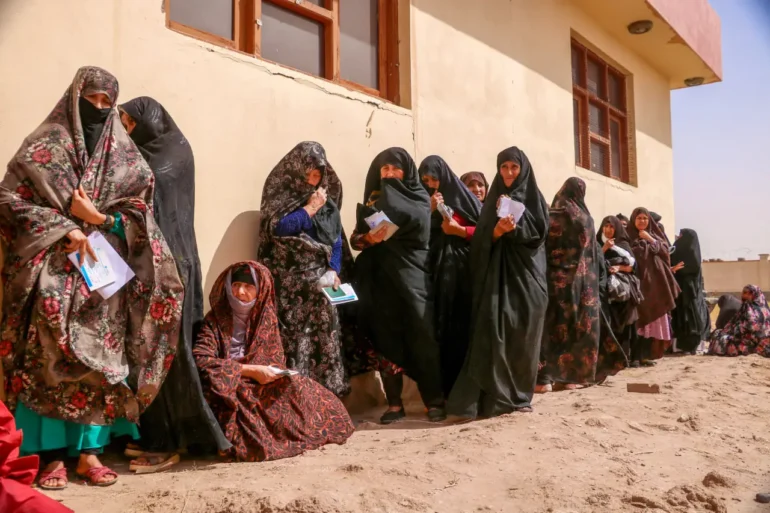
The Taliban have barred Afghan women from working in many government and non-government institutions, including United Nations offices. The restrictions have created significant obstacles for humanitarian organizations, which say female staff are essential for reaching women and girls, assessing their needs and delivering assistance in a culturally appropriate and accessible manner.
The restrictions come as Afghanistan continues to face widespread humanitarian needs, with millions of people dependent on assistance to meet their basic requirements. Humanitarian agencies have repeatedly warned that excluding women from aid operations undermines the delivery of assistance, particularly to female-headed households and women who cannot access services without female staff.
OCHA’s latest findings underscore concerns that restrictions on women’s participation in humanitarian work are not only limiting the operations of aid organizations but also preventing vulnerable communities from receiving essential support.