

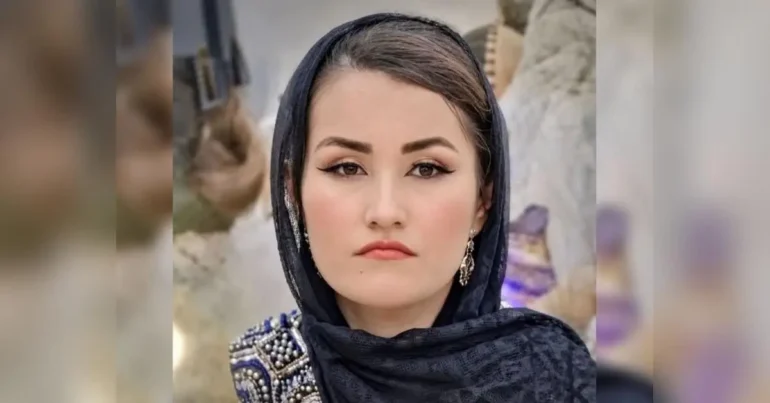

KABUL, AFGHANISTAN – Taliban intelligence forces have detained and imprisoned Muzhda Uzbek, a poet from northern Afghanistan, sources in Takhar province confirmed to KabulNow.
The sources said on Sunday, October 4, that Uzbek was arrested four days ago in the provincial capital, Taloqan, and remains in Taliban custody.
According to the sources, Uzbek was detained over poems that were critical of the Taliban. Her family has not publicly commented on her arrest, while local Taliban officials in Takhar have also remained silent on the matter.
No further information is currently available about Uzbek’s condition or the location where she is being held.
Her arrest has sparked widespread reactions on social media, with a number of users calling for her immediate release.
The detention comes amid continued restrictions on freedom of expression in Afghanistan under Taliban rule. The group has repeatedly detained journalists, writers, activists and other critics, particularly those accused of speaking publicly against its policies. Human rights organisations have documented arbitrary arrests, incommunicado detention and other forms of pressure against critics since the Taliban returned to power in August 2021.
Taliban authorities have issued more than 20 directives regulating media activity, content approval, and access to information. These measures have contributed to the near-collapse of what was once a vibrant media sector, with dozens of outlets shut down or silenced and hundreds of journalists forced into exile or hiding.
The Taliban has also imposed broad restrictions on artistic and cultural expression, with poets, musicians and other artists facing increased scrutiny and limitations. Critics say such measures have created an environment in which writers and artists increasingly practice self-censorship for fear of detention or other reprisals.
Under its strict interpretation of Islamic law, playing and listening to music are forbidden. Authorities have repeatedly confiscated, destroyed, or burned instruments across the country and barred music from television and radio broadcasts.
Hundreds of musicians and artists have fled Afghanistan in recent years, while those who remain have been forced to abandon their careers and face risks of intimidation, abuse and arrest.

