
KABUL, AFGHANISTAN – Humanitarian organizations working in the shelter and non-food items sector have requested $12.8 million to provide winter assistance to vulnerable people across Afghanistan.
According to a report by the Shelter and Non-Food Items Cluster, the funding will support humanitarian operations in 102 high-priority districts across the country.
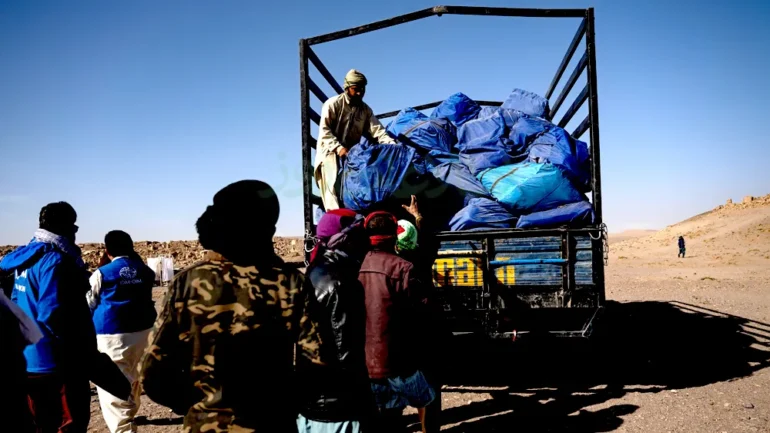
The agencies plan to use the requested funds to distribute winter clothing, blankets, heating equipment and fuel, as well as provide cash assistance to 198,832 people. The winter response will cover the period from October 2026 through March 2027.
Humanitarian organizations also highlighted the growing needs of Afghans returning from neighboring countries, saying many returnee families continue to face serious shortages of housing and adequate shelter in their areas of return.
According to the report, many returnees are living in inadequate and undignified conditions, struggling to access essential services and facing the risk of being displaced again.
The funding appeal comes as Afghanistan’s humanitarian response plan faces a severe financing shortfall. According to United Nations figures cited in the report, only 31.38 percent of the $1.7 billion requested for the country’s humanitarian response this year has been funded.
Afghanistan’s winter crisis is compounded by widespread poverty, inadequate housing and limited access to basic services, particularly in remote and mountainous areas where freezing temperatures and snowfall can isolate communities. Families without insulated shelters, sufficient blankets or reliable heating supplies face heightened risks of exposure to extreme cold during the winter months.
The return of Afghan migrants from Iran and Pakistan has further increased pressure on already limited housing and humanitarian resources. Many returnees arrive with few possessions and face difficulties securing accommodation, employment and essential services, leaving them particularly vulnerable during the winter season. Families who cannot afford rent or repair damaged homes may be forced to live in overcrowded or makeshift shelters.
The funding shortfall also threatens the capacity of humanitarian organizations to reach vulnerable households at a time when needs remain extensive. If the requested winter assistance is not adequately funded and delivered before temperatures fall further, families in high-priority districts could face prolonged exposure to harsh weather and worsening living conditions.
Humanitarian agencies have therefore emphasized the importance of timely funding to ensure that winter clothing, blankets, heating materials and emergency shelter support reach vulnerable households before the coldest months. The effectiveness of the response will depend not only on the amount of funding secured but also on the ability of aid organizations to access affected communities and deliver assistance to those most in need.
The Shelter and Non-Food Items Cluster coordinates humanitarian organizations working to address emergency shelter and essential household needs in Afghanistan. Its winter response aims to help vulnerable households withstand harsh weather conditions and reduce the risks associated with inadequate shelter during the winter of 2026–2027.