

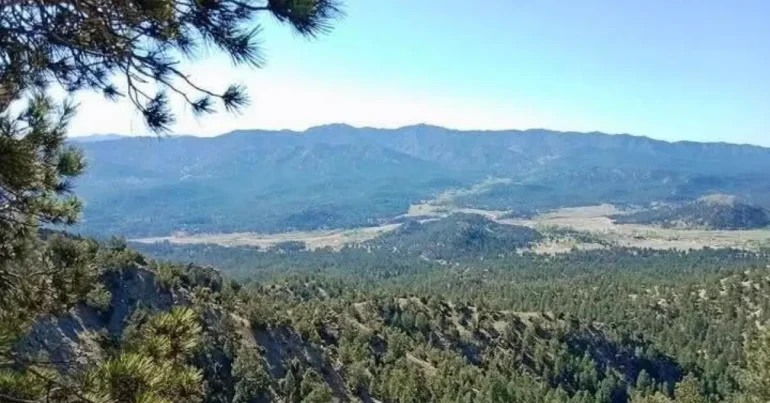

KABUL, AFGHANISTAN – Armed clashes between two tribes over the ownership of a mountain along the border between Khost and Paktika provinces have continued for the past four days, according to local sources.
Sources said the fighting is taking place between the Buri Khel tribe from Khost and the Giyan Khel tribe from Paktika. Both sides are reportedly using light and heavy weapons in the confrontation. One source said at least two people have been injured since the latest round of violence began.
Shah Mir Khan, a resident of Spera district in Khost province, told KabulNow that the disputed mountain lies between Spera district and Giyan district in Paktika. He said the mountain contains extensive pine nut (chilgoza) forests, and both tribes claim ownership of the area.
According to Shah Mir Khan, the dispute over the mountain has continued for nearly 40 years. He claimed that at least 80 people from both sides have been killed or injured during the decades-long conflict.
He called on Taliban authorities to take immediate action to stop the fighting and prevent further casualties.
Taliban local officials in Khost and Paktika had not commented on the incident as of the time of publication.
Tribal clashes over land and resource ownership have been a recurring source of conflict in parts of Afghanistan, particularly in rural and border areas where traditional land boundaries are often disputed.
Disagreements over mountains, forests, grazing areas, and agricultural land can persist for decades due to unclear ownership records, competing tribal claims, and limited access to formal dispute-resolution mechanisms.
Valuable natural resources, such as chilgoza pine forests, can further intensify these disputes because they provide important economic benefits for local communities.
In southeastern Afghanistan, including provinces such as Khost and Paktika, tribal structures continue to play a significant role in local social and political affairs. While traditional tribal elders have historically mediated many disputes, unresolved conflicts can sometimes escalate into armed confrontations involving local weapons and causing civilian casualties.
Addressing these disputes often requires effective mediation, clear land ownership frameworks, and the involvement of local authorities to prevent long-running tensions from turning into broader violence.

