

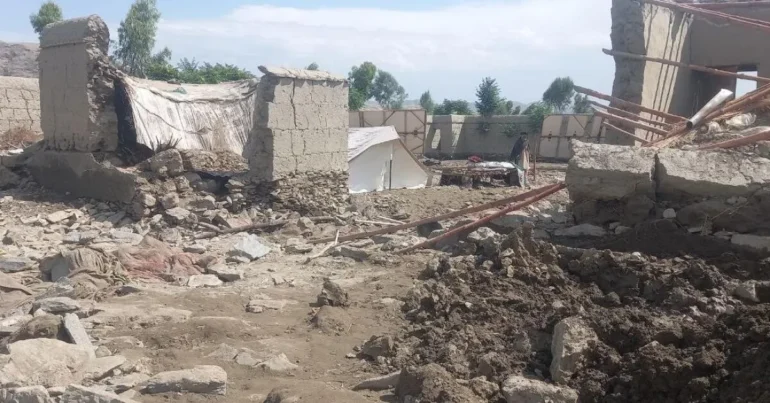

KABUL, AFGHANISTAN – UN-Habitat has underscored the close relationship between poverty and inadequate housing, warning that the two challenges reinforce one another and trap millions of people in cycles of deprivation.
In a statement published on X on today (Wednesday July 15), the UN agency said, “Poverty and inadequate housing are deeply connected, each reinforcing the other.”
It stressed that breaking this cycle begins with ensuring access to adequate housing for everyone, describing safe and secure housing as “a foundation for dignity, opportunity, and resilience.”
The agency’s remarks come as Afghanistan continues to face one of the world’s most severe humanitarian crises, with millions of people struggling to access adequate shelter after decades of conflict, recurring natural disasters, economic collapse, and widespread poverty.
According to United Nations agencies, many Afghan families live in overcrowded, damaged, or temporary shelters that offer limited protection from extreme weather conditions. Internally displaced people, returnees, and vulnerable households are among those most affected by inadequate housing, particularly in urban areas where informal settlements continue to expand.
The housing crisis has been compounded by repeated climate-related disasters, including earthquakes, floods, and prolonged droughts, which have destroyed homes and displaced thousands of families in recent years. Many communities have been unable to rebuild because of limited financial resources and insufficient access to humanitarian assistance.
UN agencies have repeatedly warned that Afghanistan’s growing urban population and prolonged economic hardship are placing additional pressure on already fragile housing infrastructure. Rapid urbanization, combined with high unemployment and declining household incomes, has left many families unable to afford safe and adequate housing.
UN-Habitat has long emphasized that access to adequate housing is a fundamental human right and an essential component of sustainable development. The agency says improving housing conditions not only enhances public health and safety but also contributes to poverty reduction, economic resilience, and stronger, more inclusive communities.
The agency has repeatedly warned about Afghanistan’s worsening housing crisis. In April, UN-Habitat estimated that 4.2 million people across the country would require emergency shelter and non-food assistance in 2026, citing growing humanitarian needs. The agency said flash floods had further aggravated an already critical situation by destroying homes and leaving thousands of families without safe shelter, underscoring the urgent need for sustained humanitarian support and long-term investment in resilient housing solutions.
Humanitarian organizations continue to call for sustained international support to help address Afghanistan’s housing needs, strengthen disaster-resilient communities, and improve access to basic services for millions of people affected by displacement and poverty.

