


KABUL, AFGHANISTAN – The United Nations Human Settlements Programme (UN-Habitat) has reported that an estimated 4.2 million people in Afghanistan will need emergency shelter and non-food items in 2026, as humanitarian needs continue to rise across the country.
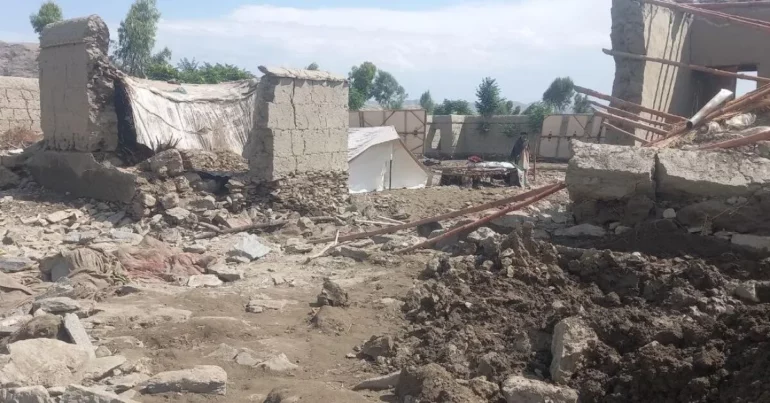
According to the agency, recent flash floods have significantly worsened an already critical situation, leaving thousands of families without safe housing and increasing the urgency of humanitarian response.
UN-Habitat emphasized that immediate action is required, stressing that every family deserves a safe and secure place to live.
The warning comes amid a series of deadly weather-related incidents in Afghanistan. In recent days, heavy rainfall has triggered floods and the collapse of homes in several provinces. In Nangarhar alone, local officials reported that dozens of people were killed or injured after house roofs collapsed due to intense rain.
Similarly, humanitarian agencies have previously noted that flooding across multiple provinces has caused casualties and widespread destruction of homes, infrastructure, and livelihoods.
Earlier reports from the United Nations Assistance Mission in Afghanistan also highlighted that floods in at least 11 provinces had resulted in loss of life and significant damage, while aid organizations rushed to provide emergency assistance to affected communities.
Humanitarian experts warn that Afghanistan’s vulnerability to natural disasters is being worsened by poverty, fragile infrastructure, and years of conflict.
While seasonal rains may help ease drought conditions in some areas, the lack of durable housing continues to put millions at risk, making emergency shelter one of the country’s most urgent humanitarian needs.
Afghanistan has experienced several consecutive years of reduced rainfall and severe drought, largely driven by climate change. While some areas have seen snowfall and rainfall this winter, overall precipitation levels are still considered below the long-term average.

