

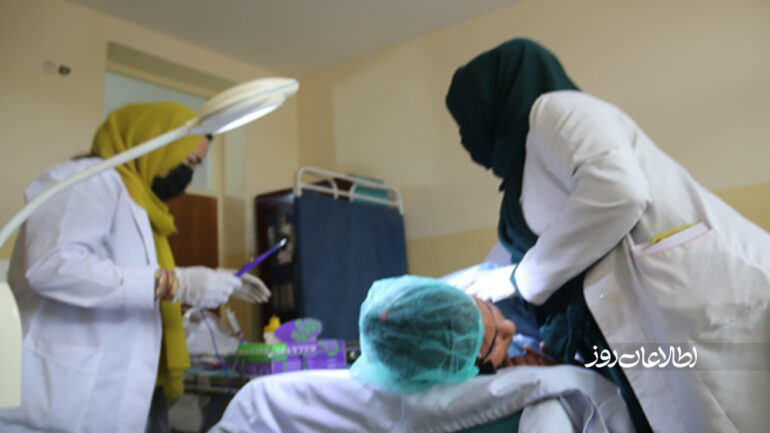

KABUL, AFGHANISTAN – Women and girls in Afghanistan continue to face mounting barriers to healthcare as Taliban restrictions, funding shortages, and a shrinking female health workforce place the country’s maternal health system under growing strain, according to the United Nations Office for the Coordination of Humanitarian Affairs (OCHA) in its June Humanitarian Update.
According to OCHA, more than 10.7 million women and girls are expected to require humanitarian assistance in 2026. Restrictions on women’s movement, education, and employment continue to limit access to essential healthcare services while increasing protection risks and deepening humanitarian needs.
The report states that Afghanistan remains under severe pressure, with one of the world’s highest maternal mortality rates.
An estimated 638 women died for every 100,000 live births in 2024, the highest rate in Asia and the seventh highest globally. OCHA attributes the crisis to a shortage of female healthcare workers, declining humanitarian funding, limited access to essential medicines, and gaps in emergency obstetric care, particularly in rural communities.
The agency also warns that the situation could worsen if restrictions on girls’ education continue. Citing UNICEF estimates, OCHA says Afghanistan could lose more than 25,000 female teachers and health workers by 2030, including thousands of future doctors, nurses, and midwives needed to provide healthcare for women and girls.
OCHA highlights Bamyan Provincial Hospital as an example of the challenges facing the country’s healthcare system. The hospital is the only medical facility in Bamyan Province equipped with a neonatal intensive care unit and serves as the primary referral center for women experiencing pregnancy and childbirth complications in remote districts.
During a recent mission to Bamyan, OCHA observed significant pressure on the hospital’s ability to sustain essential maternal and newborn health services. Health workers reported that many women arrive only after developing serious complications because they must travel for hours over deteriorating roads and face limited referral services from rural areas.
The report also notes that malnutrition is compounding health risks in Bamyan, with increasing cases among children as well as pregnant and breastfeeding women. Poor nutrition raises the risk of pregnancy complications, low birth weight, and adverse outcomes for newborns.
Humanitarian agencies stress that strengthening nutrition programs and preserving the female healthcare workforce are essential to reducing preventable maternal and child deaths.
OCHA calls for sustained investment in Afghanistan’s healthcare system, particularly maternal and newborn services, emphasizing the need to strengthen referral networks, address shortages of female health workers, expand nutrition support, and maintain critical facilities such as Bamyan Provincial Hospital.
The agency warns that without continued humanitarian support and improved access to healthcare for women and girls, preventable maternal and neonatal deaths are likely to increase across Afghanistan, particularly in rural and underserved communities.
Since the Taliban returned to power in August 2021, they have imposed sweeping restrictions on the rights and freedoms of Afghan women and girls.
Women have been barred from secondary and higher education, prohibited from working in most government institutions, non-governmental organizations, and the United Nations (with limited exceptions in some sectors), and subjected to strict restrictions on freedom of movement, including requirements to travel with a male guardian in many circumstances.
They have also been excluded from most public spaces, including parks, gyms, and beauty salons. Human rights organizations and UN experts have described these policies as a systematic campaign of gender-based discrimination and oppression, with several UN officials and independent experts arguing that the measures amount to “gender apartheid”—a term used to describe the institutionalized segregation and domination of one gender over another.
Although gender apartheid is not yet recognized as a separate crime under international law, there have been growing international calls to codify it as a crime against humanity.
Humanitarian agencies have repeatedly warned that these restrictions are not only eroding women’s fundamental rights but are also undermining Afghanistan’s healthcare, education, and humanitarian response by drastically reducing the number of female professionals available to serve women and children.

