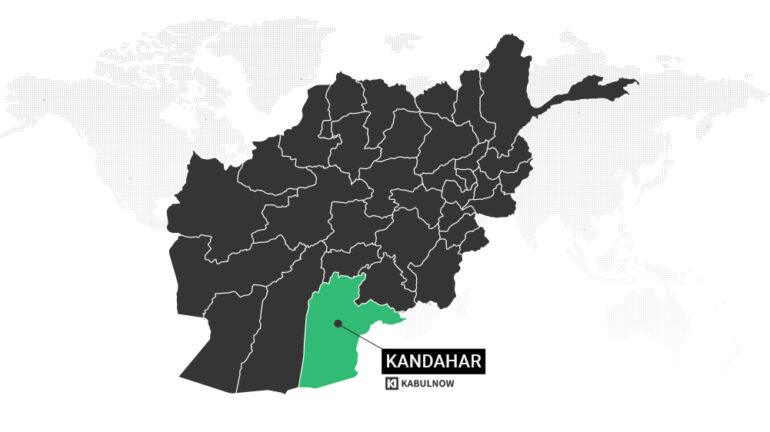

KABUL, AFGHANISTAN – A 60-year-old man shot and killed his wife before taking his own life in Daman district of southern Kandahar province, local sources said.
The incident occurred on Sunday, November 29, in the village of Mohmand, according to the sources.
The couple were members of Afghanistan’s nomadic Kuchi community and had been living in the village for a long time, the sources added.
Local Taliban authorities in Kandahar have also confirmed the incident, saying they are investigating the case.
The motive behind the killing and subsequent suicide remains unclear. No further details about the circumstances leading to the incident have been made public.
The incident comes amid repeated reports of domestic violence and killings involving family members across Afghanistan.
On October 27, a man shot and killed his wife before taking his own life in Spin Boldak district of Kandahar province, according to local sources. The man was identified as 30-year-old Owrang, who was originally from Sar-e Pul province and had lived in Kandahar for years. The motive for that incident also remained unknown.
In another incident, on June 1, a man killed his wife and daughter and injured his son following an argument in Surkh Rod district of eastern Nangarhar province, according to Taliban officials.
Afghanistan has long faced widespread domestic violence, while women and girls have limited access to protection and support services. Human rights organisations have warned that restrictions imposed by the Taliban on women, alongside the dismantling of previous protection mechanisms, have further weakened their access to justice and assistance.
According to Afghan Witness, a human rights monitoring project, at least 840 cases of violence against women and girls were documented between January 2022 and June 2024, including 332 killings.
Economic hardship, poverty, family disputes and domestic abuse have also been cited in reports on violence within Afghan households.
Since returning to power in August 2021, the Taliban has imposed sweeping restrictions on women and girls, barring them from secondary and university education, excluding them from many forms of employment and severely limiting their participation in public life. Rights groups have said these measures, combined with the erosion of earlier legal protections and support services, have left women with fewer options for seeking help or justice.