
KABUL, AFGHANISTAN – Iranian authorities have executed two Afghan nationals on drug trafficking charges, according to the Norway-based Hengaw Organization for Human Rights, the latest reported executions of Afghan citizens in the country.
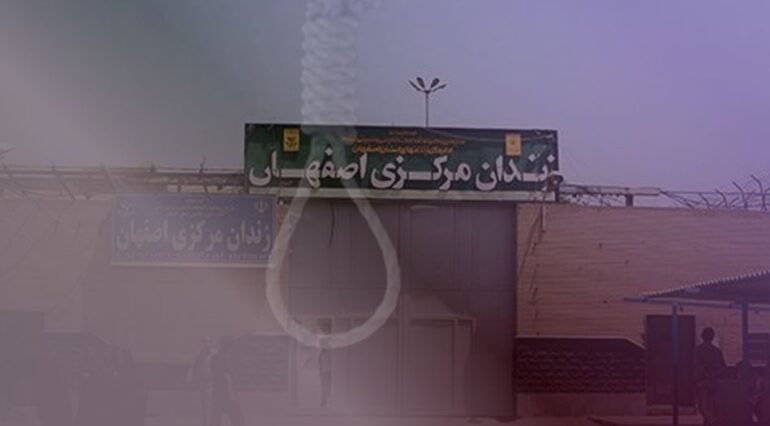
Hengaw, which monitors human rights violations in Iran, reported that Mobarak Mohammadi, 43, and Qasem Molla Amini, 49, were executed at Isfahan Central Prison, also known as Dastgerd Prison, on October 21, 2026.
The two men were arrested about two years ago on drug trafficking charges while traveling to Isfahan. The city’s Revolutionary Court subsequently sentenced them to death in a joint case, the rights group said.
According to Hengaw, the two men were relatives originally from Sheberghan, the capital of Afghanistan’s northern Jawzjan province. Mohammadi was a father of four, while Amini had three children. Both had been living in the Iranian city of Mashhad.
Iranian state media and judicial authorities have not publicly confirmed the executions.
Iran remains one of the world’s top executioners, applying capital punishment for a range of offences that include murder, drug trafficking and certain security-related crimes.
According to figures published by Iran Human Rights, another rights organization, Iranian authorities have executed at least 691 people so far in 2026, including 23 women and 25 Afghan nationals.
Iran hosts one of the largest Afghan communities outside Afghanistan, with millions of migrants and refugees who fled years of conflict and economic hardship. Human rights organizations have repeatedly criticized Iran’s handling of cases involving foreign nationals, citing concerns over fair trial standards, limited access to lawyers and a lack of transparency.
The United Nations and international rights groups, including Amnesty International, have long urged Iranian authorities to halt executions. They argue the practice violates the right to life and that many trials fall short of international fair trial standards.