
KABUL, AFGHANISTAN – The United Nations Children’s Fund (UNICEF) says it is continuing to deliver humanitarian assistance to Afghanistan through Uzbekistan, using a logistics and supply hub established in the Uzbek city of Termez to maintain the flow of life-saving supplies into the country.
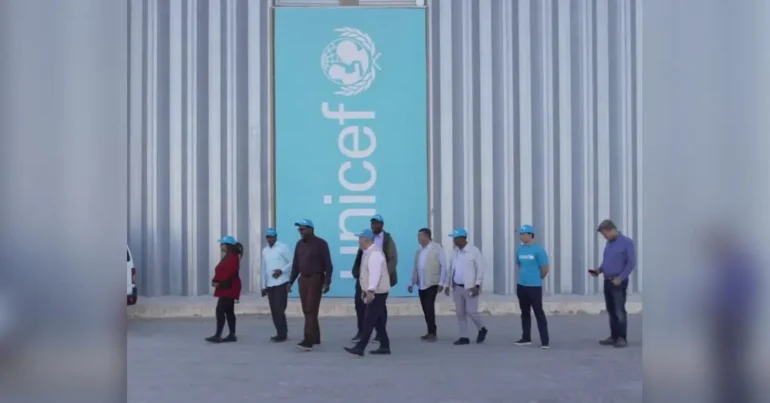
Tajudeen Oyewale, UNICEF’s representative in Afghanistan, said in a video posted on X on Sunday, October 25, that the agency had established the logistics centre in Termez to transport humanitarian assistance to Afghanistan.
Oyewale said the facility would help UNICEF maintain the supply of therapeutic nutrition products needed to treat children suffering from malnutrition across the country.
According to UNICEF, approximately 3.7 million children in Afghanistan are suffering from malnutrition in 2026, including around one million who require treatment for severe acute malnutrition.
The logistics hub is intended to help the agency continue providing treatment to children at risk, despite disruptions to the supply routes traditionally used to deliver humanitarian assistance.
Aid deliveries to Afghanistan have become increasingly difficult following the closure of border crossings between Afghanistan and Pakistan and disruptions to shipping routes through the Strait of Hormuz amid the conflict involving Iran and the United States. These developments have forced humanitarian agencies to seek alternative routes, increasing the time and cost required to transport essential supplies.
The United Nations World Food Programme (WFP) has previously said that food assistance destined for Afghanistan is now being transported through eight countries because of the disruption to major transit routes. The longer journeys have significantly increased delivery times and transportation costs.
The alternative routes are particularly important for nutrition programmes, which depend on the regular delivery of specialised food products to treat children with acute malnutrition. Delays or shortages can interrupt treatment for children whose health may deteriorate rapidly without adequate nutrition.
Afghanistan is facing a worsening child malnutrition crisis driven by food insecurity, poverty, inadequate access to nutritious diets and safe water, and limited access to essential health and nutrition services. Humanitarian funding shortages have added to the pressure on aid organisations working to meet growing needs.
In an update published on October 15, UNICEF and Action Against Hunger warned that more than four million children in Afghanistan could require treatment for acute malnutrition in 2027, including an estimated 1.09 million children expected to suffer from severe acute malnutrition. The agencies also warned that disruptions to the supply of nutrition products and a potential decline in humanitarian funding could further restrict access to life-saving treatment.
Earlier in 2026, UNICEF and the European Union arranged emergency airlifts of therapeutic food supplies to Afghanistan amid shortages linked partly to the closure of the Pakistan border and broader funding cuts. The shipments were intended to help humanitarian organisations continue treating children with severe acute malnutrition while regular supply channels remained disrupted.
The establishment of the Termez logistics hub reflects the growing importance of alternative overland routes through Central Asia as humanitarian agencies work to maintain deliveries to Afghanistan. However, alternative transport corridors cannot by themselves resolve the wider crisis: sustained funding, reliable access to nutrition supplies and functioning treatment services remain essential to reaching children in need.