
KABUL, AFGHANISTAN – Pakistan’s Foreign Ministry has accused Taliban authorities in Afghanistan of actively supporting Pakistani militant groups and allowing them to plan attacks from Afghan territory, while rejecting allegations that Pakistani airstrikes have killed civilians in Afghanistan.
In a statement issued on Monday, October 26, Pakistan’s Foreign Ministry said attacks planned and launched from Afghan territory had killed thousands of Pakistani civilians and caused more than 3,500 casualties in 2026 alone. It said Islamabad could not remain indifferent to repeated attacks against its civilians and security forces.
Pakistan described its airstrikes inside Afghanistan as a response to terrorist attacks and an exercise of its right to self-defence. The ministry said the operations were carried out as a last resort, in accordance with the principles of necessity and proportionality, and targeted only militant groups and their logistical support bases.
The statement was issued in response to remarks by Taliban Foreign Ministry spokesperson Abdul Qahar Balkhi in an interview with the US broadcaster CNN. Balkhi said more than 1,000 civilians had been killed in Pakistani attacks in Afghanistan over the past four years.
Pakistan rejected the allegations as baseless and unsupported by evidence, arguing that claims of civilian casualties would not absolve Taliban authorities of their responsibility to prevent Afghan territory from being used to plan and launch attacks against Pakistan.
The Pakistani Foreign Ministry accused Taliban authorities of sheltering several militant organisations, including the Tehreek-e-Taliban Pakistan (TTP), the Balochistan Liberation Army (BLA) and their affiliates. It said these groups continued to pose a serious threat to regional and international peace and stability.
Islamabad also urged the international community to hold Taliban authorities accountable for failing to meet their obligations under relevant United Nations Security Council resolutions and other commitments to prevent Afghan territory from being used as a base for terrorist attacks. The ministry added that Pakistan reserved the right to take all necessary measures to protect its sovereignty, territorial integrity and citizens.
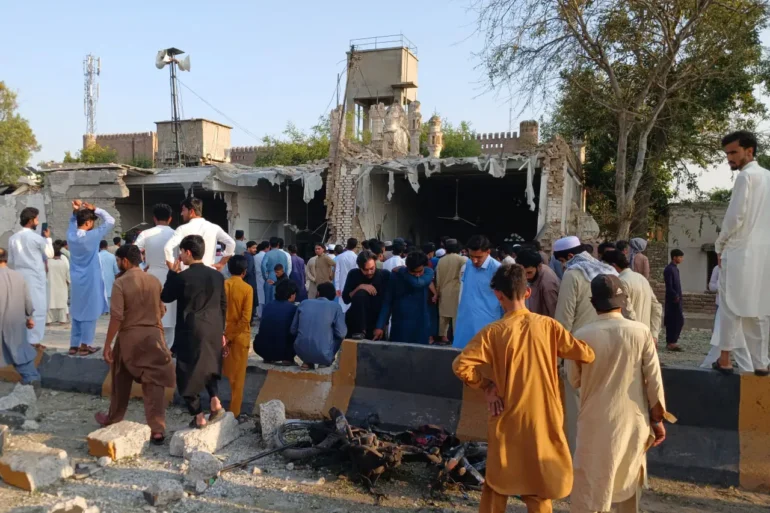
However, the United Nations has documented civilian casualties resulting from cross-border hostilities and Pakistani airstrikes in Afghanistan. The United Nations Assistance Mission in Afghanistan (UNAMA) reported that at least 512 civilians were killed and 1,236 wounded in cross-border incidents in Afghanistan between October 2025 and September 2026. Its latest human rights report documented civilian casualties from Pakistani attacks in Kunar, Paktika and Helmand provinces, including women and children.
Incidents included airstrikes on residential homes in Kunar on September 21 and 29, which killed nine civilians in total and wounded seven others, and an incident in Paktika on September 27 in which Pakistani forces killed a man. In Helmand, an airstrike overnight from September 30 to October 1 killed four civilians, including three children, and wounded 12 others, according to UNAMA. These incidents occurred amid continued cross-border clashes and escalating tensions between Pakistan and Afghanistan’s Taliban authorities.
The dispute over militant activity and cross-border attacks has further strained relations between Pakistan and Taliban authorities, who were once close partners. Islamabad maintains that anti-Pakistan militants operate from Afghanistan and has repeatedly demanded that Taliban authorities take action against them. Taliban officials deny allowing Afghan territory to be used for attacks and have described insecurity in Pakistan as an internal matter.
Pakistan has repeatedly carried out airstrikes against what it describes as militant hideouts in Afghanistan. Taliban forces have responded with attacks on Pakistani border posts, leading to repeated clashes along the Durand Line, the disputed border separating the two countries.
The continuing tensions have also disrupted trade and movement across the border. Key crossings have remained closed since deadly clashes in October 2025, leaving goods stranded, disrupting supply chains and imposing significant costs on traders in both countries. The prolonged suspension has also affected Afghanistan’s access to Pakistani markets and transit routes to regional trading partners.