
KABUL, AFGHANISTAN – Tom Fletcher, the United Nations Under-Secretary-General for Humanitarian Affairs and Emergency Relief Coordinator, has allocated $18 million from the UN Central Emergency Response Fund (CERF) to support people in need in Afghanistan.
The United Nations Office for the Coordination of Humanitarian Affairs (OCHA) said in a statement on Tuesday, November 17, that the funding would assist approximately 824,000 people facing severe humanitarian needs across the country.
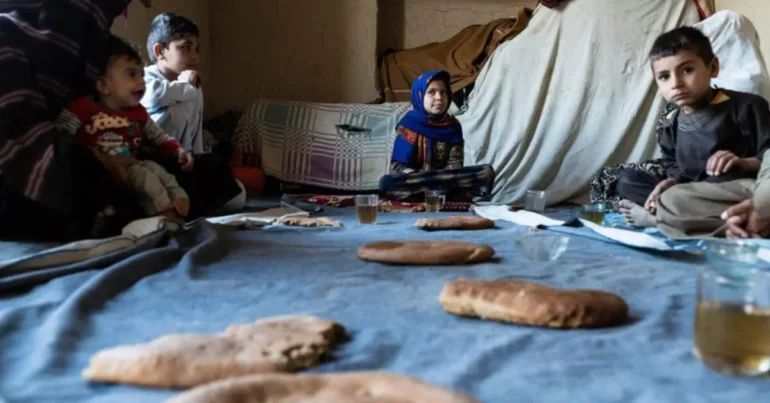
OCHA said the funding comes as families face mounting economic pressures, food insecurity, and the growing risks associated with the approaching winter and the dry season.
According to the statement, the allocation will support seven projects covering food security and agriculture, healthcare, nutrition, protection, shelter, water, sanitation and hygiene.
The funding aims to prevent avoidable deaths, illness and protection risks by addressing families’ immediate needs and maintaining essential services in areas where severe humanitarian needs, interruptions in aid delivery and seasonal risks overlap.
Bruno Lemarquis, OCHA’s Humanitarian Coordinator in Afghanistan, said the coming winter would place additional pressure on families already struggling to meet their basic needs.
“We must ensure that people can access food, healthcare, safe water and protection services before conditions deteriorate further,” he said.
Lemarquis added that the funding would help humanitarian partners reach communities facing the greatest risks. He stressed that aid must be delivered in a coordinated manner and that national and local organisations, including women-led groups, must be able to continue playing their essential roles.
OCHA said national and local organisations would play a significant role in delivering the assistance, with priority given to vulnerable returnees, internally displaced people and host communities. Women and girls, children, older people and persons with disabilities will receive particular attention.
The agency added that the allocation forms part of a broader, coordinated $48 million humanitarian response, supplemented by an additional $30 million from the Afghanistan Humanitarian Fund (AHF).
According to OCHA, the CERF allocation will support UN agencies in providing essential supplies and life-saving services, while the Afghanistan Humanitarian Fund will provide direct funding to humanitarian partners to prepare for winter, address immediate response gaps and implement early measures to mitigate the risks posed by El Niño to vulnerable communities.
The funding comes as Afghanistan’s Humanitarian Response Plan for 2026 faces a severe funding shortfall.
OCHA had appealed for $1.7 billion this year to assist 17.5 million vulnerable people in Afghanistan. However, only 33.88 per cent of the required funding had been received at the time of the announcement.
Afghanistan remains one of the world’s most severe humanitarian crises, with an estimated 21.9 million people — nearly 45 per cent of the population — expected to require humanitarian assistance in 2026, according to the UN’s Humanitarian Needs and Response Plan.
Food insecurity is among the country’s most pressing challenges. The Integrated Food Security Phase Classification (IPC) estimates that 15.9 million people faced acute food insecurity between September and October 2026, with the figure projected to rise to 19.2 million during the winter period from November 2026 to April 2027. The crisis is being driven by widespread poverty, unemployment, climate-related disasters, drought, large-scale returns from neighbouring countries and declining humanitarian assistance.