

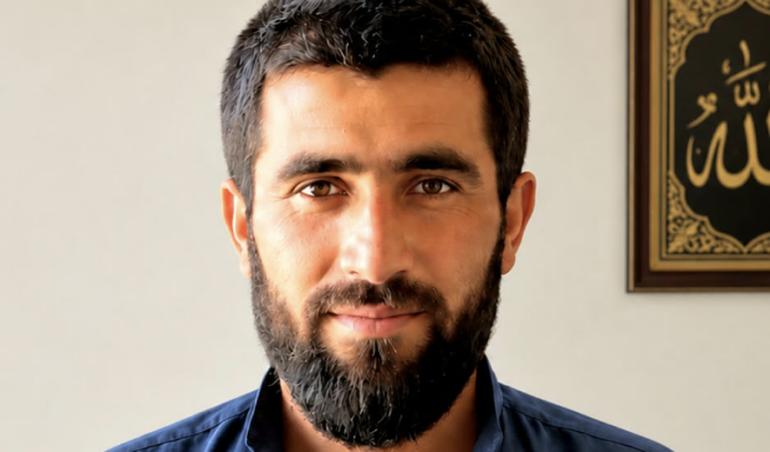

KABUL, AFGHANISTAN – Iranian authorities have secretly executed a 42-year-old Afghan national on an espionage charge at Karaj Central Prison, the Hengaw Organization for Human Rights said.
Hengaw identified the man as Tourat Mohammadi, a native of Mazar-i-Sharif in northern Afghanistan and father of four. He was executed on September 23 without prior notice to his family or lawyer.
Sources familiar with the case told Hengaw that Mohammadi had previously worked for an organization affiliated with Iran’s Islamic Revolutionary Guard Corps before his arrest about two years ago. He spent seven months under interrogation at an IRGC intelligence detention facility and was later sentenced to death by Iran’s judiciary on the espionage charge.
Mohammadi was transferred to Karaj Central Prison six days before the execution and was denied a final visit with his wife and children, the group said. Hengaw provided no further details on the allegations, including which country he was accused of spying for.
Iran Human Rights, another rights group, reported that Mohammadi was the 16th person executed in Iran on espionage charges in 2026. Of those, 14 were accused of spying for Israel or the United States, while two Iraqi nationals were accused of espionage for an unidentified Arab country. In 2025, at least 13 people were executed on similar charges linked to Israel, according to the group’s annual report.
Iran remains one of the world’s leading users of the death penalty, applying it for murder, drug trafficking and national security crimes. Drug-related cases continue to account for a large proportion of hangings. IHR recorded at least 109 executions across the country in June alone, a 10% rise from the same month a year earlier.
According to the rights groups, least 24 Afghans have been executed in Iran on various charges so far in 2026, following at least 85 such executions in 2025. Many involve drug offences or murder, though a smaller number, including recent protest-related cases, have involved security charges.
Human rights organizations have repeatedly criticized the treatment of foreign nationals in the Iranian justice system, pointing to limited access to independent lawyers, opaque proceedings and frequent secrecy around executions.
The United Nations and groups including Amnesty International have long urged Iranian authorities to halt executions, arguing that the death penalty violates the right to life and that many trials fall short of international standards.

