
KABUL, AFGHANISTAN – Afghan migrants in Italy struggle with insecure employment, low wages, high living costs, labour exploitation and barriers to social integration despite having access to asylum procedures and legal residency, according to a report by the Afghanistan Analysts Network (AAN).
Italy serves as a key entry point and transit country for Afghans seeking asylum or planning to move elsewhere in Europe, particularly Germany and Austria, researcher Fabrizio Foschini wrote in the report published on October 17. Many migrants are reluctant to settle permanently because of poor pay, unstable jobs and limited opportunities for career advancement.
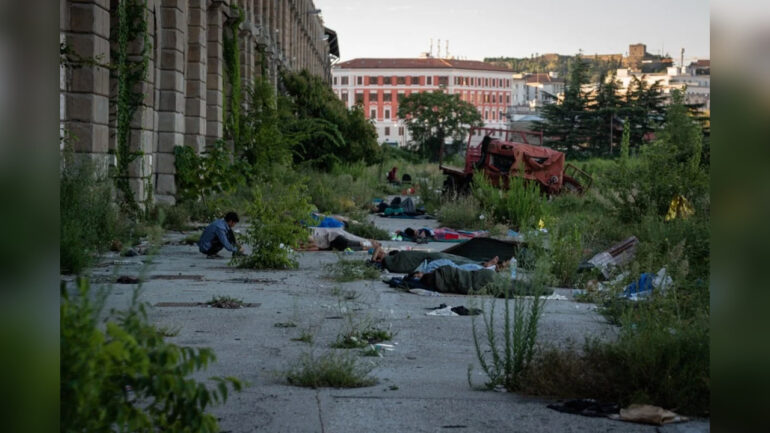
The number of Afghans living in Italy rose to about 19,000 in 2025, compared with fewer than 4,000 in 2011, according to figures cited by AAN. Trieste, a northeastern city on the Balkan migration route, has emerged as a major arrival point. Local organizations recorded nearly 30,000 Afghans passing through or staying in the city between 2021 and 2026, including those seeking asylum.
Many Afghans who remain in Italy find work in agriculture, tourism, construction and services. However, the report describes widespread problems involving low pay, informal employment, long working hours and unsafe conditions. A practice known as caporalato—an informal system of labour recruitment and exploitation—is widespread and effectively exposes Afghan migrants to exploitation.
Legal residency does not necessarily guarantee economic security. Some Afghan workers have left their jobs in Italy because of limited prospects for higher wages or career advancement, moving to other European Union countries in search of better employment opportunities or to join family members and established community networks.
The report says many Afghan migrants in Italy are responsible not only for covering their own living expenses but also for supporting family members and relatives in their home country. The need to earn money quickly makes them more vulnerable to low wages and exploitative working conditions.
Although Italy had historically granted protection to a high proportion of Afghan applicants, positive decisions fell to 82% in 2025, according to AAN. The figure refers to decisions on Afghan applications in Italy rather than the recognition rate across Europe.
Afghans make up a significant share of migrants travelling along routes toward Europe. Many leave Afghanistan because of economic hardship, limited employment opportunities and political instability, while some say they fear persecution following the Taliban’s return to power in August 2021.
The International Organization for Migration estimates that around eight million Afghans have left the country since 2020, with about one million reaching European countries, mostly via irregular migration. The agency has reported at least 5,046 Afghan migrant deaths since 2014.
AAN says Italy is likely to remain both a destination and a transit point for Afghan migrants. However, obtaining legal residency or protection documents is only one step towards building a stable life, finding secure work, escaping exploitation remain significant challenges.