

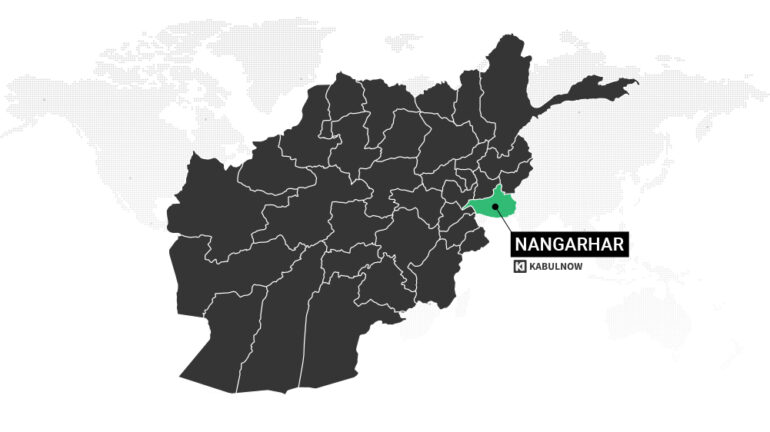

KABUL, AFGHANISTAN – Three children were killed and another was injured after an unexploded piece of ordnance detonated in Khogyani district of eastern Nangarhar province, Taliban officials said.
Sayed Tayeb Hamad, spokesperson for the Taliban police command in Nangarhar, said the incident occurred on Tuesday evening, September 29, in the Zawa area of Khogyani district.
Hamad said the children had been playing with the unexploded ordnance when it detonated, killing three of them and injuring another. He added that the injured child was taken to a hospital for treatment.
Afghanistan remains heavily contaminated with landmines and other explosive remnants of war after more than four decades of armed conflict. The contamination poses a particular danger to children, who may mistake unexploded ordnance for toys or other harmless objects.
According to United Nations figures, around 3.3 million people in Afghanistan live within one kilometre of areas contaminated by mines and explosive remnants of war.
Children continue to account for a significant proportion of casualties from explosive hazards. A United Nations report published in June found that explosive ordnance, including mines, explosive remnants of war and improvised explosive devices, was the leading cause of verified child casualties in Afghanistan during the reporting period. The UN recorded 390 children killed or maimed, with 271 of the casualties attributed to explosive ordnance.
The continuing presence of unexploded ordnance also restricts access to farmland, roads and other areas needed for daily life and humanitarian activities. The United Nations has said mine action is essential not only for preventing civilian deaths and injuries but also for enabling communities to safely use land, rebuild infrastructure and restore livelihoods.
Earlier, the HALO Trust warned of delays in clearing contaminated land in Afghanistan, raising concerns that the country’s explosive hazards will continue to threaten civilians years after the end of major fighting.
The latest incident in Nangarhar underscores the long-term consequences of Afghanistan’s decades of conflict, as unexploded weapons continue to kill and injure civilians even in areas where active fighting has subsided.

