

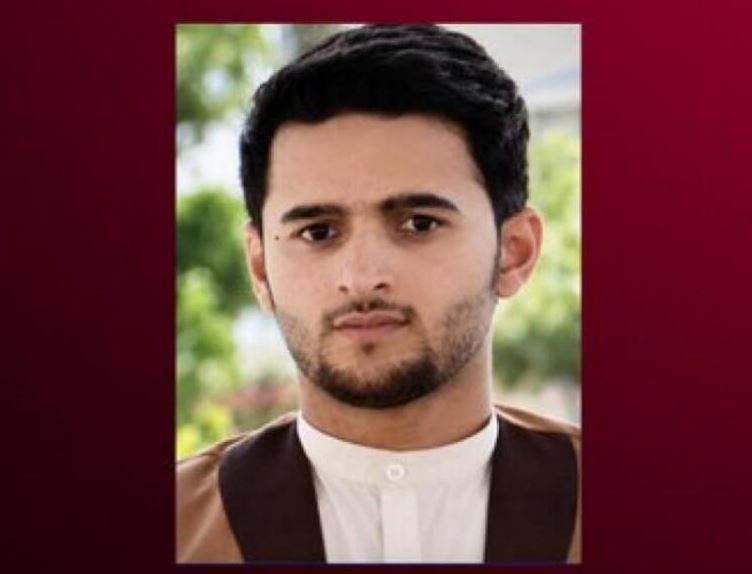

KABUL, AFGHANISTAN – A 25-year-old Afghan national has been executed in Iran on drug-related charges, the Hengaw Organization for Human Rights reported, as executions of Afghans in the country continue to rise.
Hengaw, a Norway-based rights group monitoring human rights abuses in Iran, identified the man as Khalil Afghan and said he was executed at Zahedan Central Prison on Sunday, September 13.
According to Hengaw, the Afghan man was arrested in 2022 alongside a 34-year-old Baloch man. Both were later sentenced to death by Iran’s judiciary in connection with a drug-related case.
Iranian state media and judiciary-affiliated outlets have not publicly announced the execution, the rights group said.
Iran remains one of the world’s leading users of the death penalty, applying capital punishment for murder, drug trafficking and security-related offences. Drug-related cases make up a large share of the executions carried out each year.
Earlier this month, another young Afghan man who had severe mobility disabilities and used a wheelchair was also executed at a prison in Iran, according to Hengaw.
In an earlier report, the organization documented at least 109 executions across Iran in June alone, representing a 10% increase from the same month the previous year. Rights groups say at least 23 Afghan nationals have been executed on various charges so far this year.
Iran hosts one of the largest Afghan communities outside Afghanistan, with millions of migrants and refugees who fled conflict and economic hardship. Human rights organizations have repeatedly criticized Iran’s handling of cases involving foreign nationals, pointing to concerns over fair trial standards, limited access to lawyers and a lack of transparency in judicial proceedings.
The United Nations and international rights groups, including Amnesty International, have long urged Iranian authorities to halt executions. They argue the practice violates the right to life and that many trials fall short of international fair trial standards.

