

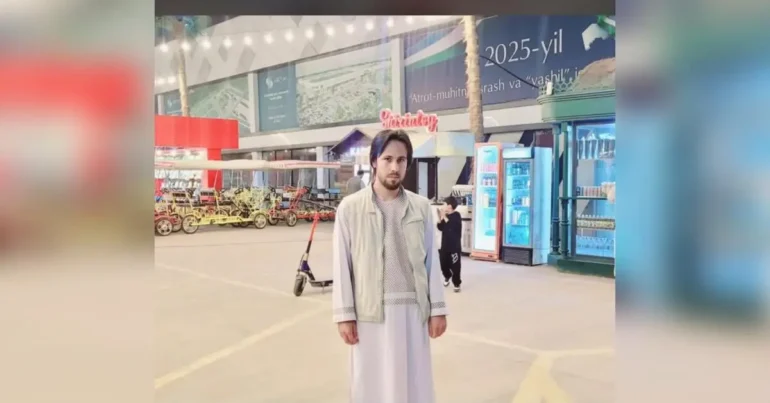

KABUL, AFGHANISTAN – Taliban authorities in northern Kunduz province say a doctor was stabbed to death in Dasht-e Archi district, allegedly following a dispute over disrespectful remarks toward another man’s wife.
Jumauddin Khaksar, a spokesperson for the Taliban’s police command in Kunduz, said the incident took place on Tuesday, September 22, in the Mirzakhan area of Dasht-e Archi district. He identified the victim as a doctor named Khaluddin.
According to Khaksar, Khaluddin had allegedly insulted and disrespected the wife of a man identified as Ebadullah. He said Ebadullah subsequently attacked the doctor with a knife, killing him.
The Taliban police spokesperson said security forces had arrested Ebadullah in connection with the killing and that an investigation was underway.
However, independent sources have not yet confirmed the killing or the alleged motive behind it.
The incident comes amid continuing reports of unexplained killings and violence across Afghanistan, with the circumstances and perpetrators of some cases remaining unclear. In a report covering late 2025 and early 2026, UNAMA documented at least 12 extrajudicial killings of former government officials and former members of the Afghan security forces.
According to a review of KabulNow reports, at least 20 cases of mysterious or unexplained killings have been reported across Afghanistan in September alone, as of September 24. The incidents have been reported in different provinces, with the identities of the perpetrators and the motives behind several of the killings remaining unclear.
The reported cases highlight continuing concerns over unexplained violence and the ability of authorities to identify perpetrators and establish accountability. The figure is based on publicly reported cases and may not represent the actual number of such killings across Afghanistan.
A March 2026, report by the Afghan rights group Rawadari documented at least 611 cases of targeted, mysterious or extrajudicial killings and injuries across the country in 2025. That figure represented an increase of more than 40 percent from the previous year. Victims included former government employees, individuals accused of links to opposition groups, protesters, tribal elders and other community figures.
While the Taliban say they have restored security nationwide since returning to power in 2021, residents, civil society activists and rights groups continue to express concern over the protection of civilians, the absence of independent investigations and the lack of accountability for those responsible.

