


KABUL, AFGHANISTAN – The United Nations Office for the Coordination of Humanitarian Affairs (OCHA) says Afghanistan’s “Shelter, Land and Site Coordination” response program is facing a funding shortfall of $153 million.
OCHA said on Wednesday, August 26, that the program requested $160 million in funding for the current year, but only 4.7 percent of the required amount has been received so far.
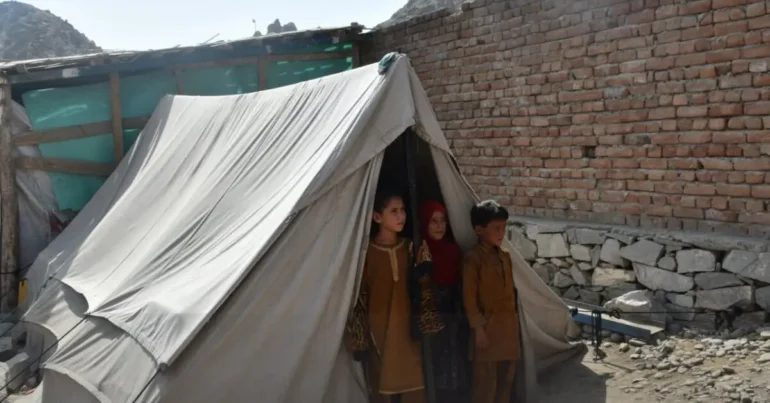
The UN humanitarian agency described access to safe shelter as a fundamental need and called for greater action to address the humanitarian needs of vulnerable Afghans.
The funding shortage comes as the need for emergency shelter in Afghanistan remains high. In an estimate published on April 20, the United Nations Human Settlements Programme (UN-Habitat) said that around 4.2 million people in Afghanistan are expected to require emergency shelter and non-food assistance in 2026.
The estimate reflects the growing housing needs of Afghans amid overlapping humanitarian crises, including displacement, poverty, natural disasters and the return of migrants from neighboring countries.
The warning also comes as Afghanistan faces a sharp increase in returning refugees, adding pressure on already limited shelter capacity. More than 5.4 million Afghans have returned from Iran and Pakistan since October 2023, including over 270,000 so far in 2026, according to U.N. agencies.
According to United Nations agencies, many Afghan families live in overcrowded, damaged, or temporary shelters that offer limited protection from extreme weather conditions. Internally displaced people, returnees, and vulnerable households are among those most affected by inadequate housing, particularly in urban areas where informal settlements continue to expand.
Humanitarian organizations have repeatedly warned that funding shortages are limiting their ability to provide essential assistance to vulnerable communities and have called on international donors to increase their support for Afghanistan.
Afghanistan continues to face a severe humanitarian crisis driven by multiple factors, including widespread poverty, displacement, natural disasters, food insecurity, economic instability and the large-scale return of Afghan migrants from neighboring countries.
These pressures have increased demand for shelter and other essential services while declining humanitarian funding has reduced the capacity of aid organizations to respond to the needs of millions of people across the country.

