

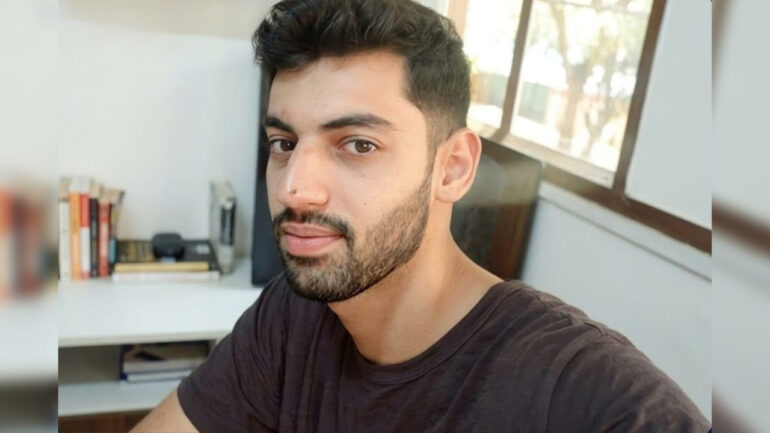

KABUL, AFGHANISTAN – Khalid Zadran, a spokesperson for the Taliban police in Kabul, says two suspects have been arrested in connection with the killing of Abdullah Hatif, the son of Bashir Hatif.
“Hurriyat Radio,” a Taliban-affiliated media outlet, quoted Zadran as saying that the body of Abdullah Hatif was found several days ago in Kabul’s eighth police district.
Zadran said the young man’s body had been sent to the forensic medicine department for examination, but the results have not yet been released.
The Taliban police spokesperson said that Abdullah Hatif had gone out with several of his friends for recreation, and his body was later found.
According to Zadran, two suspects have been arrested in connection with the young man’s death, and an investigation is ongoing.
Abdullah Hatif was the son of Bashir Hatif, a journalist and head of the Center for Journalists’ Communication and Training.
The Taliban arrested Bashir Hatif in Kabul last year and accused him of propaganda against the Taliban regime. He was sentenced to one year in prison and was released from Bagram prison earlier in the month of August this year.
The mysterious death of Abdullah Hatif made headlines on Sunday, but his family has not yet commented on the matter.
It remains unclear whether the young man’s death was in any way connected to his father’s professional background.
The killing of Abdullah Hatif adds to a number of mysterious killings reported across Afghanistan this month. At least six people, including a woman and a former Afghan security forces member, have been killed in separate incidents in Badghis, Daykundi, Nangarhar and Helmand, while the body of a six-year-old girl was found inside a sack in Herat city.
In most of these cases, the victims were reportedly killed by unidentified gunmen or unknown armed individuals, with the perpetrators and motives remaining unclear.
While the Taliban say they have restored security nationwide since returning to power in 2021, residents, civil society activists, and human rights groups continue to express concern about the authorities’ capacity to protect civilians, conduct transparent investigations, and hold perpetrators accountable.
In its recent report released earlier this month, Rawadari, a London-based human rights organization, documented at least 239 cases of mysterious, extrajudicial, and targeted killings, including those of women and children, across Afghanistan over the past six months.
The rights group emphasizes that the actual number could be much higher, as it was unable to document all cases due to the Taliban creating an atmosphere of fear and exerting pressure on victims’ families to keep such information hidden.

