

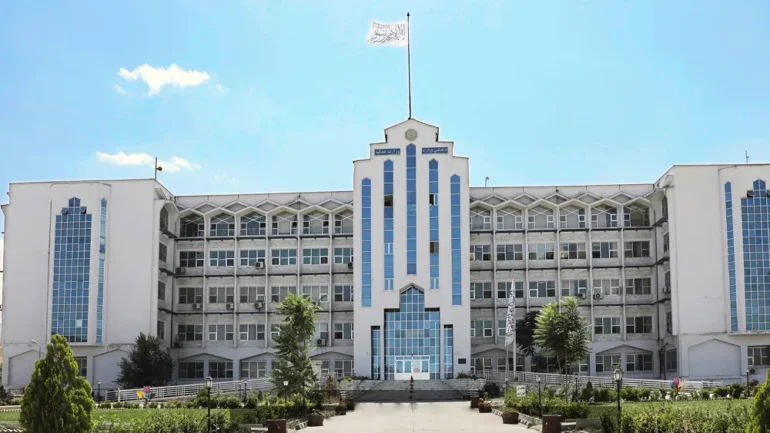

KABUL, AFGHANISTAN – The Taliban’s Ministry of Justice has announced a ban on property transactions in residential and commercial townships that the group has declared to be state-owned.
In a statement issued on Saturday (August 8), the ministry said all new transactions in the affected townships, including rentals, conditional sales and property purchases and sales, are prohibited.
The ministry also instructed individuals, property agents and real estate offices to refrain from conducting or facilitating transactions in the townships that the Taliban says have been reclaimed as state property.
According to the ministry, some residential properties and commercial areas in these townships had previously been rented out by former occupants or claimants. It said tenants must now pay rent directly to the Taliban authorities following court decisions declaring the townships to be state-owned.
The ministry said former occupants or claimants no longer have the right to collect rent from tenants. It added that the Commission for Prevention of Land Grabbing will soon provide tenants with bank account details through which they can make rental payments.
Since returning to power in August 2021, the Taliban has launched a nationwide review of land and property ownership, including residential townships in major cities and provinces. The group says large areas of public land were illegally occupied, transferred or sold under previous governments and should be returned to state ownership.
Among the developments affected is Omid-e-Sabz Township in western Kabul, which the Taliban recently declared state property and ordered residents to vacate. Omid-e-Sabz is one of the largest residential developments built in Kabul over the past two decades and is home to thousands of families, most of them Hazaras, who purchased their homes or plots through private transactions.
The Taliban has also declared several other large residential developments in Kabul, Herat, Balkh, Ghazni, Nangarhar, Bamiyan and other provinces to be state-owned. Many of the current property owners are ordinary citizens who say they purchased their land through documented transactions during the 20 years of the former republic.
Property owners in the affected townships have challenged the Taliban’s rulings, arguing that the courts have failed to properly and impartially examine their ownership documents. They say the decisions could leave families at risk of losing homes and investments they acquired in good faith.
The process has also drawn broader concerns over the transparency of the Taliban’s land adjudication system, with critics saying affected property owners have limited opportunities to challenge rulings or seek independent judicial review.

