

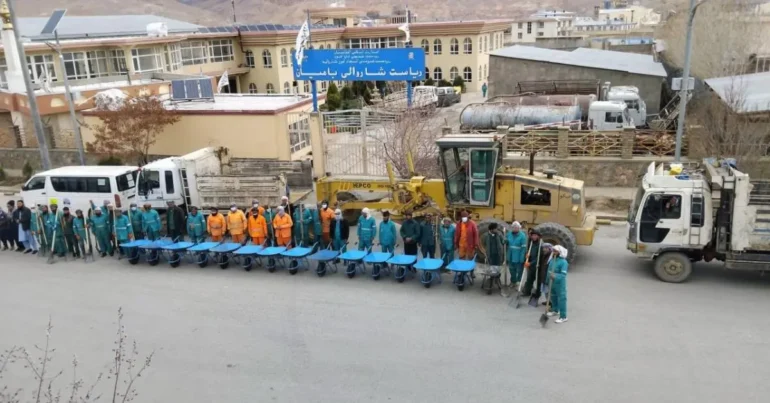

KABUL, AFGHANISTAN – The Taliban-run municipality in Bamyan province has shortlisted 121 applicants for a “night watchman” position and published their names on Facebook.
According to a review by KabulNow, 22 of the shortlisted applicants hold bachelor’s degrees.
The review found that another 30 applicants have completed high school, while two hold qualifications equivalent to grade 14, commonly referred to as post-secondary education in Afghanistan. The remaining shortlisted applicants have no formal educational qualifications.
Under Afghanistan’s civil service system, the night watchman position is classified as a Grade Eight post. Such positions are considered service jobs, alongside occupations such as cleaners, gardeners and drivers.
The large number of educated applicants for a low-ranking service position highlights the severe employment crisis facing Afghanistan since the Taliban returned to power in 2021.
With poverty and unemployment rising, many educated young Afghans have increasingly been forced to compete for low-skilled and service-sector jobs to secure an income.
After the Taliban’s return to power in 2021, Afghanistan’s unemployment, poverty and humanitarian crisis worsened due to a combination of economic collapse, reduced international aid, frozen foreign assets, restrictions on women’s education and employment, displacement, natural disaster, and large-scale return of Afghan migrants from neighboring countries.
Nearly 22 million people in Afghanistan are expected to need humanitarian assistance this year, according to the United Nations, with women and children among those most vulnerable.
Afghanistan’s economic crisis has particularly affected young people, with limited employment opportunities and declining household incomes pushing many educated Afghans into jobs well below their qualifications. The situation has also contributed to increased migration, as young Afghans seek employment and educational opportunities outside the country.
According to the International Organization for Migration (IOM), about 8 million Afghans have left the country since 2020, including around 1 million who reached Europe, most via irregular routes. The agency has documented at least 5,046 Afghan migrant deaths since 2014, many occurring along border crossings following the Taliban’s return to power in 2021.
Several suicide cases involving young Afghans have been reported in August amid worsening economic hardship and unemployment. On August 28, a young man in eastern Nangarhar province reportedly died by suicide, with local Taliban authorities citing economic difficulties. On August 27, a midwife in southern Helmand province, identified as Nadia, reportedly died after taking poisonous pills shortly after being dismissed from her hospital job in Sangin district.
Earlier, on August 9, local sources in Kandahar reported that two young men attempted suicide after facing unemployment and severe economic difficulties; one died while the other survived. The cases highlight the severe financial and social pressures facing many Afghans, particularly young people, although the exact causes of individual suicides can vary.
The actual number of suicide cases is likely higher than those reported publicly, as many incidents may go unreported because of stigma, family concerns and the limited availability of reliable nationwide data.

