
KABUL, AFGHANISTAN – The World Health Organization (WHO) reported a sharp rise in several infectious diseases in Afghanistan in June, including CCHF, acute watery diarrhoea, dengue, measles, and COVID-19, amid a worsening health and humanitarian crisis.
In its monthly health emergency update for June 2026, released on Tuesday, the WHO reported that Afghanistan recorded 483 cases of Crimean-Congo Hemorrhagic Fever (CCHF) and 21 associated deaths, representing a 174% increase from 176 cases in May.
CCHF, a viral disease transmitted mainly through tick bites or contact with infected animals or humans, remains one of the major health concerns in Afghanistan, particularly during warmer months when transmission risks increase.
The WHO also recorded 18,232 cases of acute watery diarrhoea with dehydration and 14 related deaths in June, marking a 33.6% rise compared with the previous month.
According to the report, 225 suspected cases of dengue fever were recorded in Afghanistan during the same period, with no reported deaths. The number of suspected dengue infections increased by 13.8% compared with May.
The UN health agency further recorded 2,414 suspected measles cases and 11 associated deaths in June, a 4.1% increase from the previous month.
COVID-19 cases also increased during the reporting period, with 87 cases recorded across the country, up 74% compared with May. The WHO said no COVID-19-related deaths have been reported in Afghanistan since January 2026.
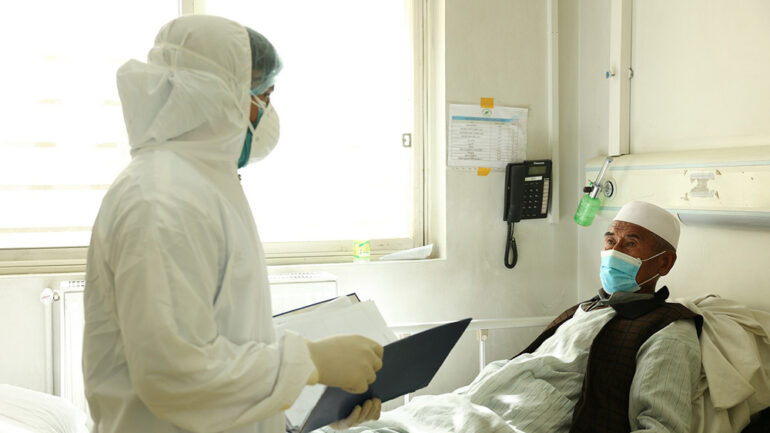
The WHO said it continues to maintain a strategic health network across Afghanistan, providing essential medical services through 33 primary healthcare facilities operating throughout the country.
The agency added that it trained 531 healthcare workers in 14 technical areas during June, including basic emergency care, basic life support, influenza surveillance, and laboratory diagnosis of CCHF and dengue fever.
Afghanistan’s healthcare system has faced significant challenges since the Taliban returned to power in August 2021. Humanitarian needs have escalated amid reduced international assistance, economic difficulties, and the return of millions of Afghans from neighboring countries.
Hundreds of health facilities have closed or scaled back operations in recent years, partly due to funding shortages and restrictions imposed by the Taliban on women’s participation in healthcare and humanitarian work.
The WHO and other humanitarian organizations continue to urge greater international support to maintain basic medical services and strengthen disease surveillance and outbreak response capacity in the country.