

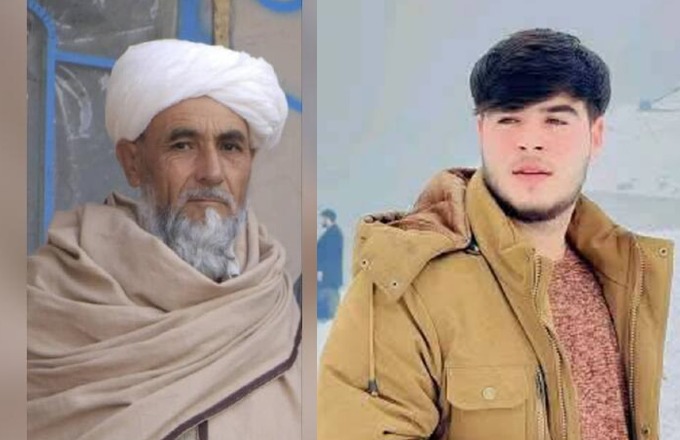

KABUL, AFGHANISTAN – A former jihadi commander and a young man were killed in separate incidents in western and northern Afghanistan this week, as reports of targeted and mysterious killings continue to rise across the country.
Local sources in western Herat province said Arbab Jumagul Saghari, a former jihadi commander and community elder, was shot dead by unidentified gunmen on Tuesday in Obeh district of the province.
According to the sources, Saghari was attacked at around midday while he was traveling from the district center toward his home. The shooting took place about 100 meters from the Taliban intelligence office in Obeh district.
The motive behind the killing and the identity of those responsible remain unclear. Taliban authorities in Herat have not commented on the incident.
In a separate case in northern Jawzjan province, a young man identified as Parwiz was shot dead in Sheberghan city on Wednesday, according to the Taliban’s provincial security command.
Taliban security spokesperson Abdul Sattar Halimi said Parwiz was killed by a relative using a pellet gun in the Dasht Baba Ali area while they were on an outing. Four suspects have been arrested, and an investigation is underway, he added.
The incidents follow other recent targeted killings. Earlier this week, Nangyali, a former member of the US-backed Khost Protection Force, was killed at his home in Khost province shortly after returning from the United States. Earlier this month, Mohammad Ali Tofan, a former senior intelligence official, was shot dead in Daikundi province.
Similar cases have also been reported in Ghazni, Zabul, and Nangarhar provinces.
A report released in March 2026 by the Afghan rights group Rawadari documented at least 611 cases of targeted, suspicious, or extrajudicial killings and injuries across Afghanistan in 2025, a rise of more than 40% from the previous year. The victims included former government employees, tribal elders, and other community figures.
While the Taliban claims that it has significantly improved security nationwide since returning to power in 2021, residents and human rights organizations continue to express concern over the protection of civilians, the transparency of investigations and the prosecution of those responsible for violent crimes.

