

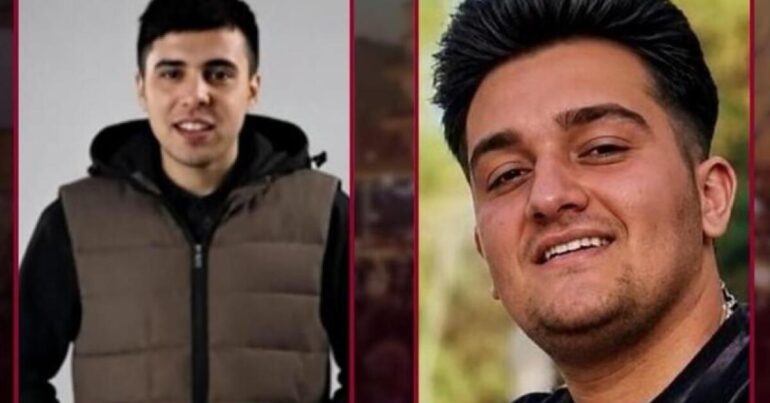

KABUL, AFGHANISTAN – Iranian authorities executed two prisoners, including an Afghan national, on Sunday over alleged involvement in protests, the Hengaw Organization for Human Rights reported, amid a rise in the country’s use of capital punishment.
In a report, the Norway-based human rights group said 23-year-old Afghan citizen Gol Mohammad Mohammadi and Iranian national Erfan Esfandiari had been sentenced to death in the so-called “Alikhani Square” case and were executed early Sunday at Dastgerd Prison in Isfahan.
Iran’s judiciary-affiliated Mizan News Agency confirmed the executions and said the two men had been convicted over their involvement in what it described as “violent unrest during the American-Zionist coup.” Mizan accused them of burning and dismembering the bodies of four members of Iran’s Basij and special police forces.
Hengaw said Iranian officials claimed the executions followed due legal process and were carried out in the presence of lawyers. However, human rights groups have disputed this, citing summary proceedings limited to three court sessions and the defendants’ lack of access to independent legal counsel.
The group warned that the lives of 10 other young defendants charged in the same case are now in immediate danger.
Iran is one of the world’s leading users of the death penalty, applying capital punishment for crimes including murder, drug trafficking, and security-related offenses. Drug-related cases make up a large portion of executions.
Hengaw documented at least 109 executions across Iran in June alone, a 10% increase compared with the same month last year. At least 12 Afghan nationals have been executed on various charges so far this year.
Iran hosts one of the largest Afghan communities outside Afghanistan, with millions of migrants and refugees who fled years of conflict and economic hardship. Human rights organizations have repeatedly criticized Iran’s handling of cases involving foreign nationals, citing concerns over fair trial standards, limited access to lawyers, and lack of transparency.
The United Nations and international rights groups, including Amnesty International, have long urged Iranian authorities to halt executions, arguing that the practice violates the right to life and that many trials fall short of international fair trial standards.

