


KABUL, AFGHANISTAN – The European Union Humanitarian Aid Office for Asia and the Pacific has announced a €50,000 contribution from the European Union to the International Federation of Red Cross and Red Crescent Societies (IFRC) to support flood-affected communities in Afghanistan.
In a post published on X today (Wednesday, June 3), the office said that with this contribution, the European Union’s total assistance to flood victims in Afghanistan through the IFRC has reached €225,000.
The European Union Humanitarian Aid Office for Asia and the Pacific said that the funding will be used to provide cash assistance, shelter services, water, and sanitation support to flood-affected families in Afghanistan.
In late April, the European Union had also provided €175,000 to assist 12,000 people affected by floods in Afghanistan.
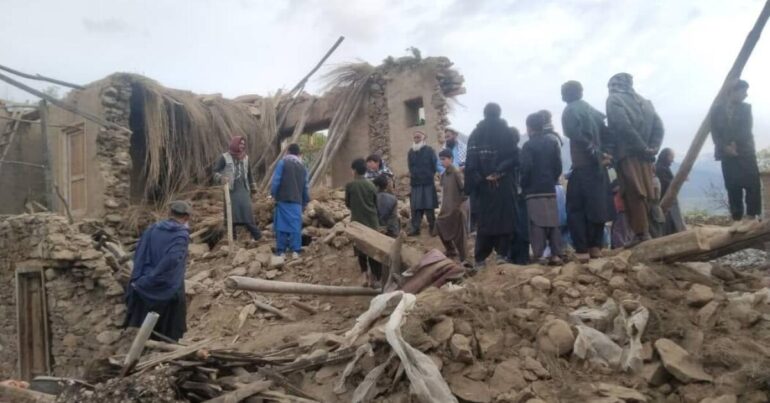
The funding comes as Afghanistan continues to grapple with the impact of heavy rainfall and, in some regions, snowfall in recent weeks. The severe weather has triggered flash floods, landslides, and storms that have destroyed homes, damaged farmland, and disrupted livelihoods across multiple provinces.
Taliban authorities say at least 214 people have been killed, around 300 injured, and more than 70,000 affected nationwide. More than 7,000 homes have been partially or completely destroyed, forcing thousands of families to leave their homes.
Earlier assessments by the United Nations Office for the Coordination of Humanitarian Affairs had already highlighted the scale of the crisis. According to an update published four weeks ago, heavy rainfall and flash floods between mid-March and late April affected more than 73,000 people across all 34 provinces of Afghanistan, leaving around 57,000 in urgent need of humanitarian assistance.
The United Nations Office for the Coordination of Humanitarian Affairs (OCHA) reported that the floods caused widespread destruction, particularly in eastern and southern regions, killing and injuring several hundred people overall. Around 1,500 homes were completely destroyed and another 6,000 damaged, while roads, bridges, farmland, and other key infrastructure suffered major losses.
Afghanistan is currently facing one of the world’s worst humanitarian crises. According to the United Nations, more than 23 million people—over half the population—require food aid, while aid cuts, donor fatigue, and political isolation have forced the closure of over 400 health facilities.
The UN has appealed for $1.7 billion to respond to the crisis; however, according to its reports, less than 15 percent of this amount has been funded so far.
The additional funding comes as many Afghan communities continue to face the consequences of recurring floods and other climate-related disasters. Humanitarian organizations have warned that extreme weather events are placing increasing pressure on vulnerable households, many of whom are already struggling with economic hardship and limited access to basic services.
The support is expected to help affected families meet their immediate needs while contributing to ongoing relief efforts in flood-hit areas.

