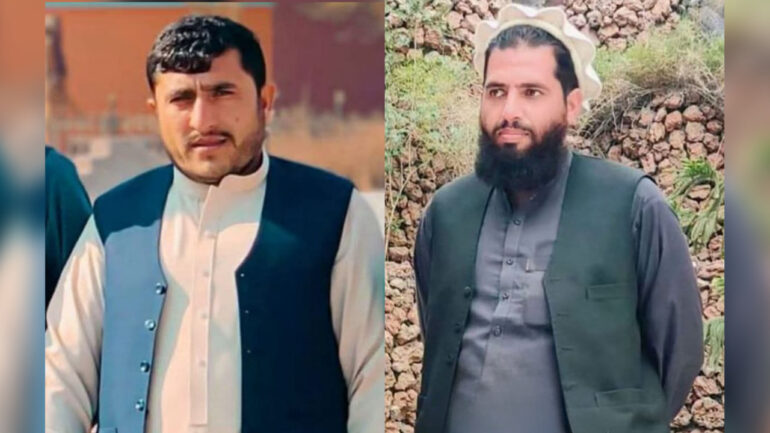

KABUL, AFGHANISTAN – Two young men have died of dengue fever in Afghanistan’s eastern Nangarhar province over the past two days, local sources told KabulNow, as cases rise amid limited public health efforts to contain the disease.
The two men died in Jalalabad, the provincial capital, and Momand Dara district, the sources said. Both had been receiving treatment in the infectious diseases department of a local hospital for several weeks, but their conditions did not improve.
One died on Sunday, November 1, and the other on Saturday, October 31, according to the sources.
The deaths have raised concern among residents in Nangarhar, who say the number of dengue cases is increasing and that sufficient steps have not yet been taken to contain the outbreak or ensure adequate treatment.
Residents have warned that the situation could worsen unless urgent public health measures are introduced to contain the outbreak and improve access to medical care.
Mawlawi Aminullah Sharif, the Taliban-appointed director of public health in Nangarhar, said mosquito nets were being distributed in Jalalabad and the province’s districts as part of efforts to prevent the disease. He added that mobile health teams and medical equipment had been dispatched to several districts to provide treatment.
Dengue fever is a viral disease transmitted to humans through infected Aedes mosquitoes. According to the World Health Organization (WHO), symptoms include high fever, headache, and body aches, while severe cases can be life-threatening.
Nangarhar province records a significant number of dengue-related deaths each year. Local residents and sources attribute the ongoing toll in part to shortages of medical facilities and challenges in the response.
Afghanistan’s healthcare system has faced mounting challenges since the Taliban returned to power in August 2021, with reduced international assistance, economic difficulties, and the return of millions of Afghans from neighboring countries adding to pressure on medical services.
Hundreds of health facilities have closed or reduced their services in recent years, largely because of funding shortages. Restrictions imposed by the Taliban on women’s participation in healthcare and humanitarian work have also affected the delivery of essential services.
The WHO and other humanitarian organizations have repeatedly called for increased international support to sustain basic healthcare services, strengthen disease surveillance, and improve Afghanistan’s capacity to prevent and respond to outbreaks.