
KABUL, AFGHANISTAN – Photographs released during a public inquiry into alleged war crimes committed by British special forces in Afghanistan appear to show unarmed people shot dead while lying in their beds, the BBC has reported.
The images have been described as “essential evidence” in the investigation into possible war crimes by members of the British Special Air Service (SAS), the BBC said.
For the first time, the public inquiry has allowed photographs of people killed during two SAS operations to be made public. The images reportedly show several individuals lying in beds with gunshot wounds to their heads.
Oliver Glasgow KC, lead counsel to the inquiry, said the photographs could constitute evidence of possible war crimes and require detailed examination by forensic experts.
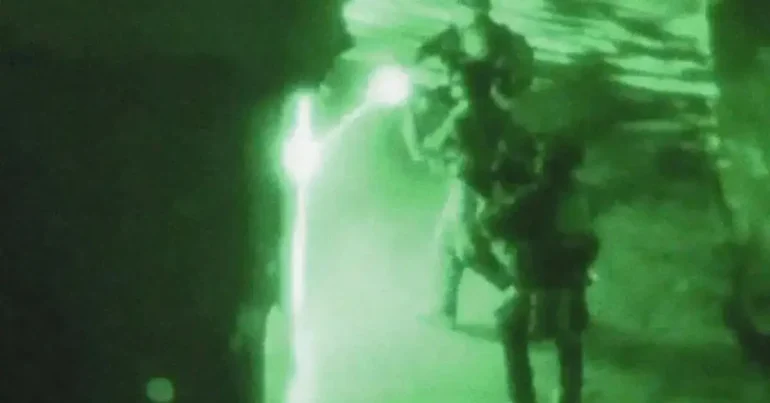
The public inquiry is investigating allegations that British special forces killed unarmed civilians and detainees during night raids between 2010 and 2013. The allegations also include claims that soldiers planted weapons beside victims’ bodies to make it appear that those killed had been armed.
According to the BBC, the newly released photographs show several unarmed people lying in their beds. One image shows a person beneath a floral-patterned blanket, while others appear to have their heads resting on pillows, with blood visible around their heads.
Another photograph reportedly shows bloodstains on the lower part of a wall, which could support the possibility that a person was shot while lying down.
Glasgow told the inquiry that many of the victims appeared to have been shot in the head. In some cases, he said, bodies appeared to have been found with their heads resting on pillows.
He added that further analysis could help establish whether the individuals had been shot while asleep.
The photographs relate to two SAS operations conducted in Helmand province in 2011, during which 17 people were killed, according to the BBC. The youngest victims in the two operations were 15 and 14 years old.
Glasgow said the photographs appeared to contradict accounts provided by British special forces and should have raised serious questions among military police officers investigating the deaths as potential unlawful killings.
John Harvey, who led the British military police investigation into the alleged killings, also told the inquiry that the photographs did not appear normal. He said his team was convinced that they could constitute significant evidence.
Despite repeated requests from military police investigators for further examination of the photographs, no such analysis was carried out at the time, the BBC reported.
An investigator, who spoke to the BBC on condition of anonymity, said there had been clear reasons for concern.
The investigator said the presence of bullet holes on walls at a very low level appeared to contradict the accounts provided by the special forces about what had happened.
The photographs are now being examined by forensic experts as part of the ongoing inquiry, the investigator added.
The public inquiry into alleged unlawful killings by British special forces in Afghanistan was established in 2022 following investigative reports by the BBC’s Panorama programme.
Panorama spent more than eight years investigating allegations that SAS personnel had unlawfully killed unarmed civilians and children in Afghanistan. Its investigation included visits to the country and the collection of evidence relating to four raids on homes in which 26 people were killed.
British forces first deployed to Afghanistan in October 2001 as part of the US-led military campaign launched following the September 11 attacks in the United States. Their initial mission was aimed at dismantling al-Qaeda’s presence and removing the Taliban government, which had provided sanctuary to the group.
From 2006, British military operations became heavily concentrated in southern Helmand province, where thousands of troops were deployed to combat the Taliban insurgency and support Afghan government forces. British operations in Afghanistan were conducted under the name Operation Herrick.
The British military campaign officially ended its combat operations in Afghanistan in December 2014. However, British troops remained in the country as part of NATO’s non-combat Resolute Support mission, providing training and assistance to Afghan security forces. This deployment, known as Operation Toral, ended in July 2021 as international forces withdrew from Afghanistan following the Taliban’s return to power.
The current public inquiry is examining alleged unlawful activities by British special forces during detention operations between mid-2010 and mid-2013, as well as the adequacy of subsequent investigations into the allegations.
The NATO-led military mission in Afghanistan, in which the United Kingdom participated, began in 2001 and continued until 2014. After the withdrawal of NATO forces, some US troops remained until 2021, when the collapse of the former republican government and the return of the Taliban led to a full foreign military exit.
Several countries, including the United Kingdom and Australia, are currently reviewing the conduct of their forces during the Afghanistan war, with investigations into alleged war crimes forming part of these ongoing assessments.