
KABUL, AFGHANISTAN – A man has been killed and his father injured in a land dispute involving family members in Pul-e-Alam, the capital of Afghanistan’s Logar province, local sources told KabulNow.
A source familiar with the incident said the confrontation took place on Monday, October 19, in the Ali Khan Qala area near Pul-e-Alam, the capital of Logar province in eastern Afghanistan.
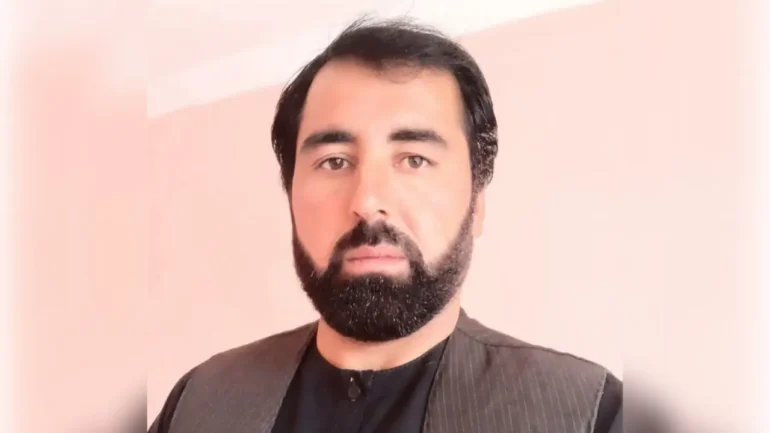
The victim was identified as Dawood Jan, 38, who was killed during a dispute over land with his paternal cousins, according to the source. His father was also injured in the confrontation.
The sources said those allegedly responsible for the incident were arrested by Taliban security forces. However, the circumstances surrounding the dispute and the identities of the suspects have not been independently verified.
Land-related disputes are a persistent source of violence in Afghanistan, particularly in rural areas where formal land registration systems are weak or non-existent. Decades of conflict, mass displacement, and overlapping claims to property have further complicated land ownership, often leaving disputes to be resolved through informal or tribal mechanisms.
Further details about the incident, including the condition of Dawood Jan’s injured father and whether the suspects will face legal proceedings, remain unclear.
Since the Taliban returned to power in August 2021, disputes over land ownership and control have remained a recurring source of tension across Afghanistan. Taliban authorities have launched a campaign to reclaim what they describe as state-owned or illegally occupied land, resulting in the eviction of residents, closure of businesses and disputes with communities over ownership.
In Kabul, the authorities have moved to take control of large areas of land in the Omid-e Sabz township after a Taliban special court ruled that more than 1,500 jeribs of the area belonged to the state, a decision that has raised concerns among residents. In Herat, Taliban forces recently closed around 100 shops in Jebrail over a dispute concerning land ownership.
These cases reflect the broader complexity of Afghanistan’s land disputes, where state claims, private ownership, communal rights, historical grievances and access to natural resources frequently overlap, creating conditions in which unresolved disagreements can escalate into confrontation and, in some cases, violence.