

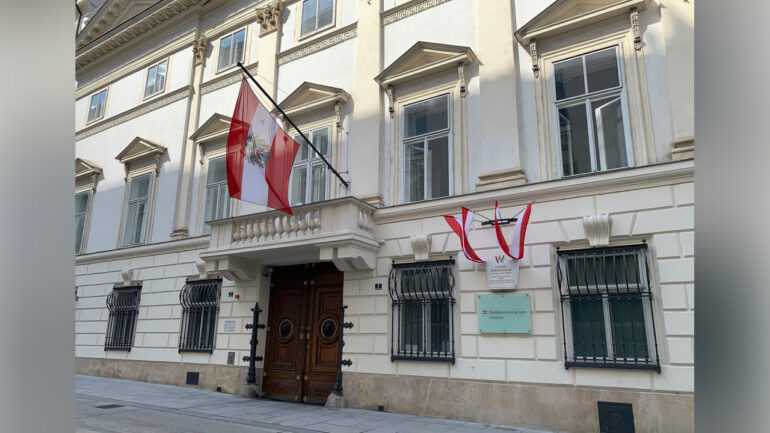

KABUL, AFGHANISTAN – Austria’s Interior Ministry says an Afghan national convicted of serious financial and drug-related offenses has been deported from the country.
In a statement published by the ministry, the deported man was identified as a 26-year-old Afghan national who was transferred from Vienna to Istanbul and then to Kabul on Monday, August 31.
Austria’s Interior Minister Gerhard Karner said deporting migrants remains a “difficult task” for the country’s police.
Karner said the government would continue pursuing what he described as a tough but fair deportation policy.
Austria deported three Afghans to Afghanistan last year and has deported two others so far this year, in coordination with the Taliban authorities.
Austria has also deported migrants convicted of serious crimes to countries other than Afghanistan. According to figures provided by the Austrian Interior Ministry, around 8,800 migrants were deported during the first seven months of this year, either to their countries of origin or through the European Union’s Dublin Regulation.
About 48 percent of those deported had previous criminal records.
At the same time, Austria has recorded its lowest number of new asylum applications in a decade. The number of asylum seekers receiving basic government assistance has also fallen to around 5,100, the lowest level in approximately 20 years.
Over the past two years, since beginning its engagement with the Taliban, Austria has also publicly hosted Taliban delegations at least twice. The visits were reportedly aimed, among other things, at coordinating the deportation of Afghan nationals from Austria.
German-speaking countries, including Germany, Austria and Switzerland, have been among the first European states to engage with the Taliban and resume deportations of Afghan nationals.
The deportation comes amid broader efforts across parts of the European Union to increase deportations of rejected asylum seekers and foreign nationals convicted of crimes. On June 23, the EU hosted a Taliban delegation in Brussels to discuss practical arrangements, including potential cooperation on deportation procedures.
European governments are stepping up efforts to tighten migration controls and return people who have exhausted their legal avenues to remain. The resumption of deportations to Afghanistan, however, has drawn concern from human rights organizations, which warn about the safety and treatment of returnees under Taliban rule amid the country’s continuing political and humanitarian crisis.

