

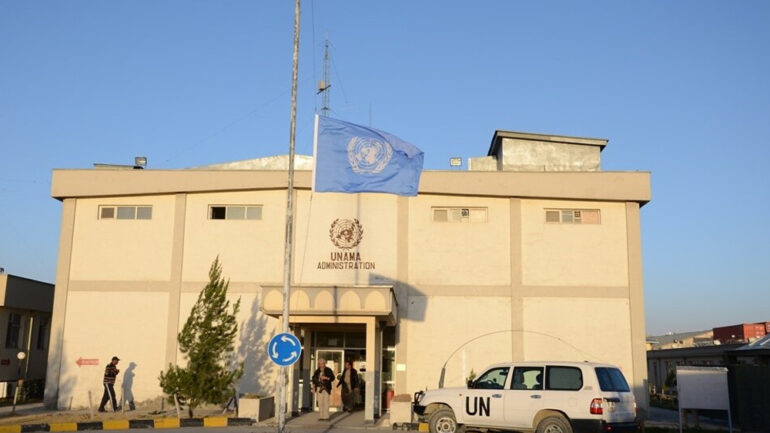

KABUL, AFGHANISTAN – Afghanistan has experienced improved security and a reduction in armed conflict in the five years since the Taliban returned to power, but those gains alone are not enough to secure lasting stability, the United Nations mission in the country said on Thursday.
In a statement marking the anniversary of the Taliban’s takeover, the UN Assistance Mission in Afghanistan (UNAMA) said the decline in fighting had brought tangible benefits to many Afghans and created opportunities to focus on recovery, development and regional economic cooperation.
It highlighted the Taliban’s ban on poppy cultivation as one of the notable positive steps of the past five years.
However, UNAMA stressed that severe restrictions on women and girls remain a major obstacle to expanding international engagement and investment. Terrorism-related concerns have also complicated Afghanistan’s relations with neighboring countries and the wider international community, the mission said.
The Taliban returned to power in August 2021 after the withdrawal of U.S.-led foreign forces led to the collapse of the former Afghan government. Since then, the group has imposed sweeping restrictions that bar women and girls from secondary schools, universities and most forms of work, effectively excluding them from large parts of public life.
“The last five years have shown that Afghans deeply value peace and stability after decades of war,” said Georgette Gagnon, the deputy special representative of the U.N. secretary-general and officer in charge of UNAMA. “But sustainable peace and prosperity require more than just an absence of conflict. Afghanistan’s future depends on building a society in which the rights and potential of all Afghans are realized, and institutions are responsive and accountable.”
Gagnon called on the Taliban to lift restrictions on women and girls and allow them to participate fully in education, employment and public life. She also urged the authorities to protect fundamental rights and freedoms and address international concerns related to security and terrorism.
The mission said the international community wanted Afghanistan to be at peace with itself and its neighbors, fully integrated into the international system and committed to its international obligations.
UNAMA called on the international community to continue what it described as principled and pragmatic engagement with Afghanistan, saying it should support the aspirations of Afghans while pursuing long-term efforts to improve conditions, rebuild the country and facilitate its reintegration into the international community.
The United Nations has continued engaging with Taliban authorities since 2021 while providing humanitarian assistance and essential services to Afghans, the mission said.
According to UNAMA, these efforts have helped establish a degree of stability and provided a clear pathway for Afghanistan’s reintegration into the international community based on respect for human rights and the participation of all Afghans.

