

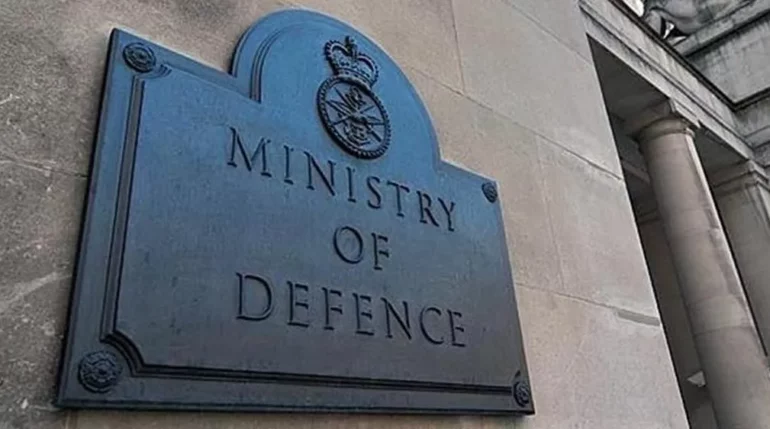

KABUL, AFGHANISTAN – The UK Ministry of Defence has announced that it has stopped supporting former employees of its forces and institutions in Afghanistan to leave the country.
Luke Pollard, the UK’s Minister for the Armed Forces, said in a letter to Parliament that individuals eligible for relocation and resettlement must travel to a third country on their own in order to obtain a UK visa.
He stated that after reaching a third country, these individuals will receive support from the UK until 2028.
The minister said that those eligible for relocation to the UK must present themselves at a UK visa application center within the next 12 months.
He also noted that the final deadline for the UK Ministry of Defence’s support for these individuals in third countries and their relocation to the UK will be December 2028, after which all support will end.
In his letter to Parliament, the minister added that since 2025, good progress has been made in processing the applications of Afghan citizens.
He wrote that in July 2025 there were around 25,000 pending applications, but this number has now been reduced to 17,000, and all cases are expected to be decided by next spring.
The minister also said it is estimated that fewer than 9,000 eligible Afghan individuals remain for relocation to the UK.
He further stated that the Ministry of Defence is working to stop the use of defence properties and hotels for housing Afghan refugees, in an effort to bring the “Afghan resettlement program” closer to its conclusion.
After the Taliban regained control of Afghanistan, the UK relocated thousands of its former local staff, but the prolonged accommodation of these individuals in temporary housing has drawn criticism.
However, the applications of thousands of the country’s former collaborators in Afghanistan have still not been processed or finalized, and they remain waiting.
In a broader shift in UK policy toward Afghan migration, the United Kingdom had earlier announced plans to suspend the issuance of student and skilled worker visas for Afghan nationals, citing concerns over what it described as the “misuse” of legal visa routes to seek asylum.
According to the Home Office, this decision also included suspending student visas for nationals of Cameroon, Myanmar, and Sudan. The ministry reported a sharp rise in asylum applications from these groups, noting that claims from Afghan students alone reached 95 percent of the number of visas issued between 2021 and late 2025, while overall applications from the four countries increased by more than 470 percent.
Furthermore, the Home Office emphasized that asylum claims from individuals entering through legal pathways have more than tripled since 2021, placing significant pressure on the UK’s asylum system.
It also highlighted that the number of Afghan nationals entering on work visas and later applying for asylum now exceeds the number of such visas granted.
As a result, in what it described as an unprecedented measure, the UK decided to suspend sponsored student visas for all four countries and skilled worker visas specifically for Afghan nationals, framing the move as necessary to manage rising migration pressures.
These developments come as concerns grow among Afghan applicants about delays, uncertainty, and the increasing responsibility placed on them to manage their own relocation process, particularly amid ongoing security and financial challenges.

