

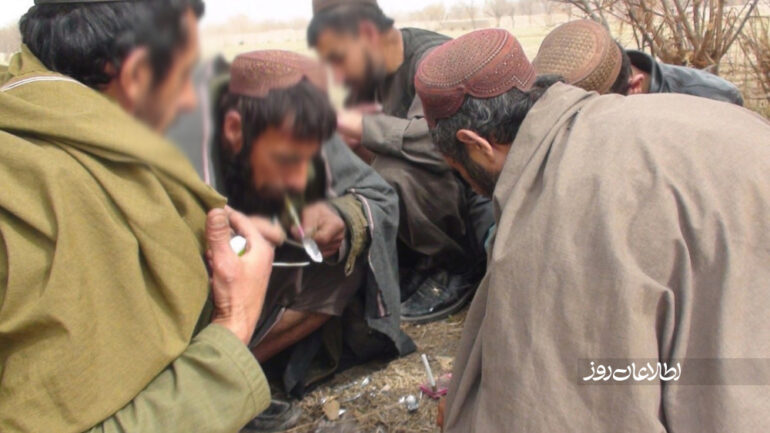

KABUL, AFGHANISTAN – A new United Nations assessment of drug use in Afghanistan highlights a strong connection between substance abuse and broader social and economic pressures, including poverty, unemployment, and financial hardship.
The survey, conducted by the UN Office on Drugs and Crime (UNODC) in the region covering Afghanistan, Central Asia, Iran, and Pakistan, found that people with drug dependence often cited physical pain and illness, mental distress, family challenges, and addiction itself as key factors influencing their drug use.
The UNODC regional assessment emphasizes that drug use in Afghanistan is closely linked to poverty, unemployment, and gaps in access to healthcare. The report suggests that effective interventions should combine treatment and harm reduction with primary healthcare, mental health support, and social assistance to help reduce self-medication and promote recovery.
Stephen Rodriguez, Resident Representative of the UN Development Program in Afghanistan, emphasized that the survey would help design stronger policies and programs addressing the health consequences of drug use, support rehabilitation, and tackle root causes such as lack of employment and economic opportunities.
While the Taliban have banned the sale and purchase of drugs and claim to provide treatment to individuals with addiction, poppy cultivation continues due to farmers’ economic dependence on the crop amid widespread poverty and food insecurity.
The UN report highlights major gaps in health service provision, including access, quality, and gender coverage. Around two-thirds of health facilities provide services exclusively to men, and the study also noted ongoing challenges such as shortages of trained health workers and insufficient infrastructure.
The report also shows a shift in drug consumption patterns in Afghanistan. Although traditional substances like cannabis and opium remain dominant, the use of synthetic drugs and pharmaceutical opioids is increasing. According to the findings released on Sunday, 46% of male users consume hashish, 19% use opium, 11% use pharmaceutical “Ka” tablets, and 7% use methamphetamine (locally referred to as “shisha”).
The UN assessment also highlighted the high cost of drugs relative to income. For example, the daily consumption of methamphetamine can account for up to 138% of a seasonal laborer’s daily wage or 67% of a skilled worker’s daily earnings, demonstrating the severe financial burden on individuals and families.
The UN report concludes that addressing drug use in Afghanistan requires comprehensive strategies that tackle both addiction and the underlying socio-economic vulnerabilities, while expanding access to gender-sensitive, high-quality health and rehabilitation services.

