


KABUL, AFGHANISTAN – The United Nations Educational, Scientific and Cultural Organization (UNESCO) has warned that linguistic diversity is facing growing threats worldwide as languages continue to disappear at an alarming rate.
February 21 marks International Mother Language Day. The observance was proclaimed by UNESCO’s General Conference in 1999 and has been celebrated globally since 2000 to promote linguistic and cultural diversity and multilingualism.
In a statement issued to mark the day, UNESCO stressed the importance of cultural and linguistic diversity for building sustainable societies. The agency said that preserving differences in cultures and languages strengthens tolerance, mutual respect, and social cohesion. “UNESCO believes in the importance of cultural and linguistic diversity for sustainable societies. It is within its mandate for peace that it works to preserve the differences in cultures and languages that foster tolerance and respect for others.”
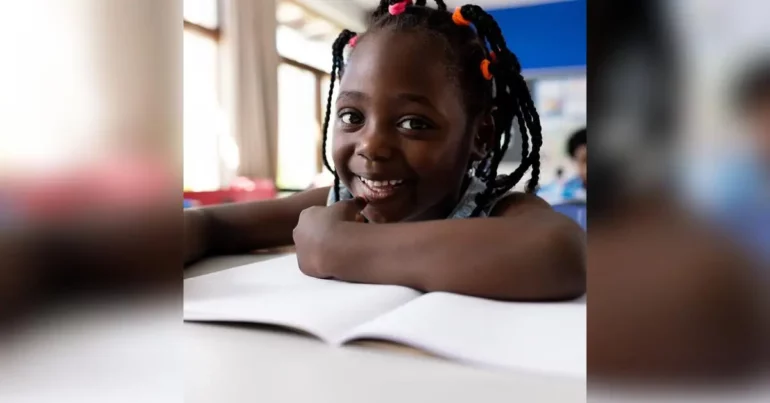
According to UNESCO, around 40 percent of the global population does not have access to education in a language they speak or understand. However, the organization noted that progress has been made in multilingual education, particularly at the primary level, alongside growing recognition of its importance.
UNESCO’s Director-General, Khaled El-Enany, said: “On this International Mother, UNESCO is calling for investment in language transmission by placing young people at the heart of the solutions involved. Because linguistic diversity is a pillar of peace, dignity and inclusion. And no voice should be missing from the story of our humanity.”
Afghanistan is among the world’s multilingual and multicultural countries, home to a wide range of ethnic groups and languages.
However, since the return of the Taliban to power in 2021, concerns have grown over the protection of this diversity. Critics say policies that centralize authority and prioritize specific cultural and linguistic narratives risk marginalizing minority languages and identities. Restrictions on education for girls, limitations on cultural expression, and reduced space for independent media have further raised fears among activists and community leaders that Afghanistan’s linguistic and cultural plurality could face long-term erosion if not actively safeguarded.

