
KABUL, AFGHANISTAN – The World Health Organization (WHO) has reported six new cases of poliovirus in Afghanistan, bringing the total number of confirmed human cases in the country to 42 in 2026.
In its latest polio bulletin, WHO said three of the newly confirmed cases were detected in Kandahar province, two in Nangarhar province’s Bati Kot and Goshta districts, and one in Kabul’s Musahi district.
The agency said the case reported in Kabul was identified through contact tracing involving a person who had been in contact with a polio patient.
According to WHO, the onset of symptoms in the six newly reported cases occurred between August 25 and September 9 this year.
The number of positive environmental samples for poliovirus in Afghanistan has also reached 93 in 2026, indicating continued circulation of the virus in the country.
Afghanistan and Pakistan remain the only countries in the world where wild poliovirus has not been eliminated.
Pakistan, the only other country still grappling with wild poliovirus transmission, also recorded a new case last month in Khyber district of Khyber Pakhtunkhwa province. Its total number of confirmed cases this year has reached six, compared with 31 cases reported in 2025.
Afghanistan recorded 21 confirmed human cases of polio in 2025, meaning the number of cases has doubled this year, with the latest detections bringing the total to 42.
Polio is a highly contagious viral disease that primarily affects children under five and can cause permanent paralysis. Although it is preventable through vaccination, there is no cure once paralysis develops, making repeated vaccination essential to protect children and stop transmission.
Global immunization campaigns have reduced wild poliovirus cases by more than 99% since 1988. However, transmission continues in Afghanistan and Pakistan, where efforts to eradicate the disease face challenges including insecurity, difficult terrain and community resistance, sometimes fuelled by misinformation about vaccines.
The WHO’s Emergency Committee warned in August 2026 that wild poliovirus transmission continues in Afghanistan and Pakistan, particularly in southern Afghanistan and high-risk areas of Pakistan. The agency also highlighted persistent gaps in vaccination coverage and the risk of cross-border transmission between the two countries.
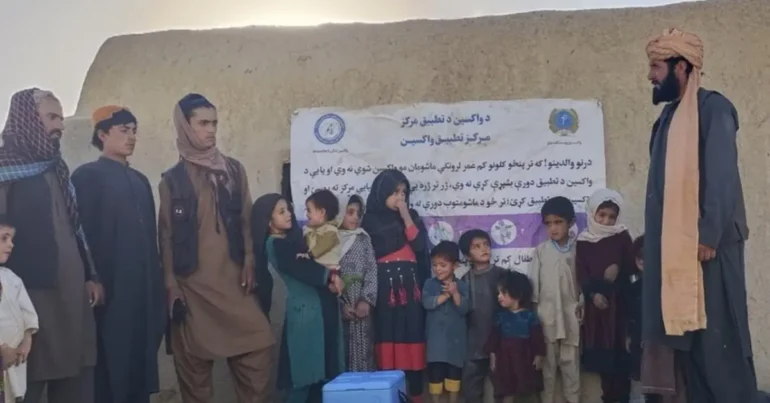
WHO has raised particular concerns about Afghanistan’s reliance on vaccination at designated sites rather than house-to-house campaigns. Since October 2024, security concerns have prevented the implementation of house-to-house vaccination campaigns, increasing the risk that young children, particularly girls, will be missed. The agency has urged authorities to improve vaccination coverage and ensure that all children are reached.
The WHO has also emphasized the importance of maintaining high vaccination coverage, conducting uninterrupted immunization campaigns and ensuring that every child receives the vaccine to prevent further transmission and eliminate the disease in both countries.