

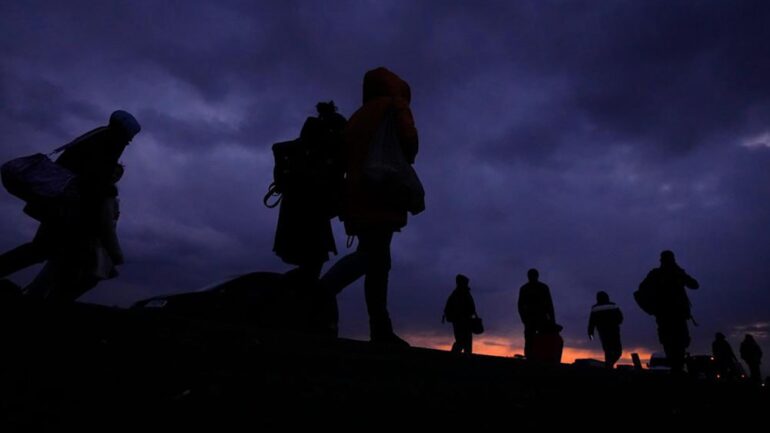

KABUL, AFGHANISTAN – At least 17 Afghan nationals, including five women and six children under the age of 14, reportedly died of severe thirst while attempting to enter Iran through an irregular route in Saravan, in Iran’s southeastern Sistan and Baluchestan province, Iranian news outlet Haalvsh reported.
According to Haalvsh, the incident occurred on Thursday, September 10, in the Mak-Sukhteh area near the border with Pakistan. The group reportedly encountered severe water shortages while travelling through the dry and remote area.
The report said the men travelling with the group became separated from the women and children during the journey. The women and children were subsequently left in the desert without adequate access to water and reportedly died from dehydration.
Haalvsh reported that the bodies of some of the victims were buried in Sistan and Baluchestan on Sunday, four days after the incident. A report by Deeyar Television, citing Haalvsh, said the bodies had been transferred to a morgue in Khash following the incident.
The report also said that five of the victims were members of a family from Baghlan province. They were reportedly a 45-year-old mother and her four daughters, aged 14, 16, 18 and 22.
The circumstances surrounding the deaths have not been independently verified, and Iranian government authorities have not publicly commented on the reported incident.
The deaths come amid continued reports of Afghan nationals taking dangerous irregular routes to Iran, often because of unemployment, poverty and limited legal migration opportunities.
The latest incident follows other deadly journeys along Afghanistan’s western migration routes. On July 31, the bodies of 14 Afghan men who had gone missing while attempting to cross irregularly into Iran had been recovered in western Afghanistan, bringing the death toll from that group to 19. The group of 19 had disappeared about two weeks earlier while travelling through remote desert areas between Helmand and Nimroz provinces, a major route for irregular migration to Iran.
The 14 bodies were recovered from the Reg-e Lalo area, while the bodies of the other five members had been found on July 19 in the Margo Desert. The incident highlighted the dangers faced by Afghans using remote desert routes to reach Iran, where migrants can become stranded without water or food and face extreme heat and other risks.
The routes through western Afghanistan and along the Iranian border are particularly dangerous because migrants can spend hours or days travelling through isolated deserts with little or no access to drinking water. Reports have also documented migrants being abandoned by smugglers, becoming lost, or dying from extreme heat and dehydration.
The dangers have increased as many Afghans continue to face economic hardship inside Afghanistan while deportations and restrictions on Afghan migrants in neighbouring countries have intensified. Millions of Afghans have been affected by forced or pressured returns from Iran and Pakistan in recent years, further complicating the situation for people seeking work and security outside Afghanistan.
According to the International Organization for Migration (IOM), about 8 million Afghans have left the country since 2020, including around 1 million who reached Europe, most via irregular routes. The agency has documented at least 5,046 Afghan migrant deaths since 2014, many occurring along border crossings following the Taliban’s return to power in 2021.
Haalvsh, which focuses on developments in Sistan and Baluchestan and issues affecting ethnic and religious minorities in Iran, has previously reported deaths and violence involving Afghan migrants attempting to cross the region’s border areas.

