

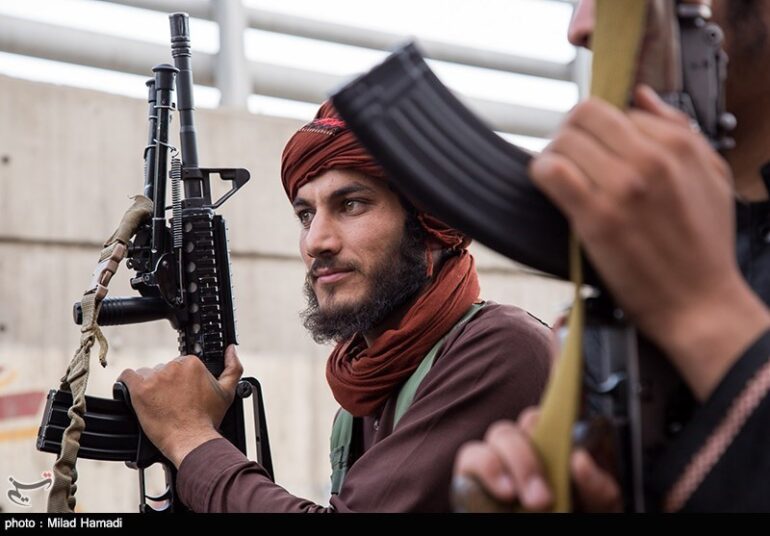

KABUL, AFGHANISTAN – The Taliban authorities have taken steps to strengthen oversight and discipline within their security institutions since returning to power in 2021, but a lack of transparency and unresolved complaints continue to undermine accountability, the United Nations said.
The UN Assistance Mission in Afghanistan (UNAMA) published a 38-page report titled Security Sector Accountability in Afghanistan, covering the five years since the Taliban returned to power, and released ahead of the fifth anniversary of their takeover.
UNAMA said Taliban authorities have issued directives, established internal monitoring units, and created new bodies to address alleged misconduct by security personnel. But it said there was insufficient public information about complaints, investigations, and disciplinary or judicial measures.
“The limited amount of public information on complaints received, investigations conducted, and disciplinary or judicial actions taken by relevant de facto bodies undermines confidence and weakens deterrence,” said Georgette Gagnon, UNAMA’s acting head.
UNAMA said its investigation found that Taliban military courts refuse to accept written complaints against members of the group’s security forces and tell complainants not to bring cases against the group’s “mujahideen” to the courts.
The mission also documented cases in which Taliban authorities arrested and investigated security personnel accused of misconduct, with some cases referred to military courts.
In some instances, however, security personnel who had been arrested or investigated were later released through mediation and their cases closed, UNAMA said. The mission said it did not have adequate information on the reasons why some cases were rejected or closed following preliminary investigations or during judicial proceedings.
Many complaints against Taliban security personnel remain unresolved, the report said, while fear of reprisals, a lack of trust in Taliban institutions and barriers to reporting alleged misconduct discourage people from filing complaints, the report said.
UNAMA said the lack of publicly available information made it difficult to assess the actual level of accountability within the Taliban’s security institutions.
The report said the Taliban has established several mechanisms for receiving complaints, including the Taliban leader’s office, the Supreme Court, the Directorate for the Enforcement of Orders and Decrees, the complaints department of the Ministry for the Promotion of Virtue and Prevention of Vice, and a commission tasked with reviewing cases involving Taliban military personnel.
Complaints against security institutions can also be submitted to the supreme court or directly to Taliban supreme leader Hibatullah Akhundzada, according to UNAMA.
In one case documented by the mission, a person who submitted a petition to the Taliban leader’s office was told that about 20,000 petitions were awaiting review by Hibatullah. Given the volume of complaints, UNAMA said, processing individual petitions could take up to six months.
UNAMA said the absence of reliable information about the number of complaints, the types of alleged violations, investigations and their outcomes prevents a clear assessment of how effectively the Taliban’s accountability mechanisms operate.
The UN mission called on the Taliban authorities to strengthen accountability across all security institutions and establish clear rules, procedures and codes of conduct that are consistently enforced.
It recommended clearer rules governing the use of force, arrests, detention, searches and crowd control, as well as professional conduct standards for security personnel. UNAMA also said commanders should be held responsible for enforcing discipline and security personnel should be required to report misconduct.
The mission urged the Taliban authorities to regularly publish information on complaints, misconduct cases and disciplinary or judicial actions taken by security institutions, oversight bodies and courts.
It also called for complaint mechanisms that are accessible, safe and inclusive, allowing people to report concerns without fear of retaliation or discrimination, while ensuring protection for victims, witnesses and whistleblowers.
“Improving accountability is a legal obligation of the de facto authorities and a necessary step towards improving governance and respect for human rights,” Gagnon said.
She added that stronger accountability would support Afghanistan’s stability and compliance with its international obligations, which UNAMA described as important to the country’s eventual reintegration into the international community.

