


KABUL, AFGHANISTAN – A group of 83 U.S. lawmakers has urged the Trump administration to reverse plans to relocate more than 1,100 “Afghan allies” stranded in Qatar to unsafe third countries, warning that such a move would breach U.S. commitments and put lives at risk.
In a joint letter dated June 11 to Secretary of State Marco Rubio, lawmakers from both the Democratic and Republican parties said the United States must honor its commitments to Afghans, who assisted U.S. forces throughout the two-decade war in Afghanistan.
“It’s both a moral and a national security imperative that our country live up to its promise and watch out for those who put themselves in harm’s way to help keep us safe,” the lawmakers wrote.
Lawmakers said these individuals “are not random applicants,” but people who served “in essential roles” supporting U.S. military operations, and argued they should be prioritized for resettlement in the United States once they pass security vetting.
“In our nearly 20-year mission in Afghanistan across four administrations, Afghan allies served in essential roles in support of U.S. operations, fighting alongside our service members,” they said.
The lawmakers also called for “secure, stable and cost-effective pathways” for relocation, and said any alternative arrangements must be fully reviewed by Congress.
The letter requests a briefing from the State Department by June 24, including details on the legal basis for any third-country transfers and updates on negotiations with potential host governments.
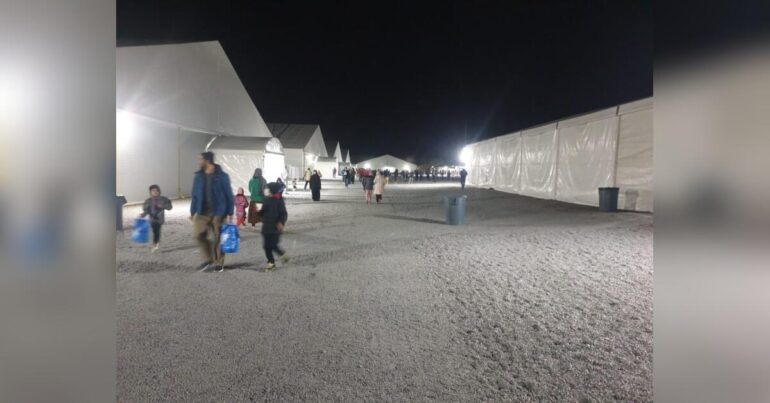
The pushback follows a New York Times report, citing U.S. officials, that the administration is weighing options to transfer the group — which includes former Afghan special forces members, interpreters and their families, including hundreds of women and children — either to the Democratic Republic of the Congo or back to Taliban-controlled Afghanistan. The Afghans have been living in limbo for more than a year at Camp As Sayliyah, a former U.S. military base in Qatar.
The reported plan has sparked sharp criticism from U.S. senators, refugee advocacy organizations and the Afghans at the camp, who argue it could endanger lives and damage U.S. credibility. In a separate letter in April, 29 senators specifically opposed relocation to Congo, citing the country’s ongoing conflict and humanitarian crisis.
During a congressional hearing last week, Marco Rubio confirmed that Washington is engaged in talks with several countries about accepting the Afghans but declined to name them or provide further details.
The debate comes more than a year after the Trump administration paused Afghan resettlement programs upon returning to office, leaving thousands of approved applicants in prolonged uncertainty in Qatar and many other countries.
Separately, the administration is advancing a stricter immigration policy that includes deporting migrants, including Afghans, Iranians and Syrians who entered the United States via irregular routes without securing legal residency. According to Reuters reporting, the first deportation flights are expected next week, sending at least 20 migrants from Afghanistan and Syria to Bangui, the capital of the Central African Republic, where they will be housed in apartments. Details remain limited on the duration of their stay and any plans for eventual return to their countries of origin.

