

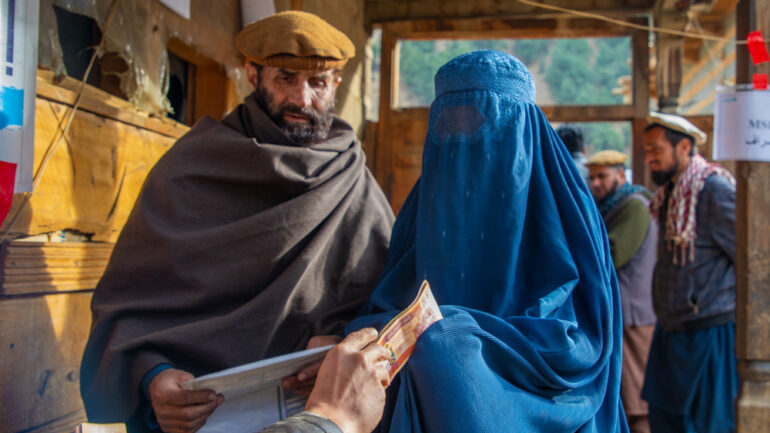

KABUL, AFGHANISTAN – The United Nations Office for the Coordination of Humanitarian Affairs (OCHA) has warned that Afghanistan’s 2026 humanitarian response plan remains severely underfunded, with only 16%, or $269 million, of the required $1.7 billion received so far.
In a statement posted on X, OCHA Afghanistan said the growing funding shortfall is placing critical life-saving assistance at risk and could leave millions of vulnerable people without essential support.
The agency urged immediate financial contributions from donors to keep humanitarian programs running across the country.
“Without immediate support, millions risk being left without assistance,” OCHA said.
Afghanistan continues to face one of the world’s most severe humanitarian crises, with widespread poverty, high levels of food insecurity, and limited access to basic healthcare affecting large segments of the population.
The UN estimates that nearly 22 million people, about half of Afghanistan’s population, depend on humanitarian assistance this year. Women and children make up a significant proportion of those in need, with many communities relying on aid for food, healthcare, and emergency support.
The crisis has been compounded by repeated natural disasters, including earthquakes and seasonal flooding, alongside large-scale returns of Afghan refugees from neighboring countries, which have placed additional pressure on already strained services.
Humanitarian conditions have also been affected by ongoing regional instability and restrictions imposed by the Taliban authorities, which aid groups say have complicated the delivery of services in the country.
At the same time, international humanitarian funding has declined in recent years, with reductions in contributions from several major donors. The United States, historically the largest donor to Afghanistan’s aid operations, has scaled back assistance following funding cuts linked to policy shifts after Donald Trump’s return to the White House last year.
As a result of shrinking budgets, dozens of humanitarian projects have been suspended or scaled back, while hundreds of health facilities have closed or reduced services since last year, according to aid organizations.
Humanitarian agencies have repeatedly called for sustained donor funding, warning that continued shortfalls could reverse gains in health, nutrition, and emergency response programs, and deepen the country’s already severe humanitarian crisis.

