

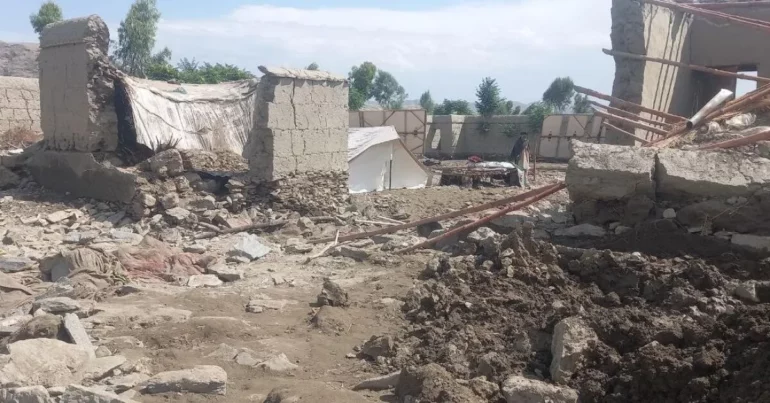

KABUL, AFGHANISTAN – Afghanistan’s National Disaster Management Authority, now under Taliban control, says that with six more deaths in the past 24 hours, the total number of casualties from rainfall and floods in the country has risen to 48.
Mohammad Yousuf Hamad, spokesperson for the authority, stated today (Wednesday, 1 April) that the number of injured has also increased to 73.
The Taliban’s disaster management office said that these casualties have been recorded in various provinces of the country since the 6th of this solar month.
In recent days, multiple provinces in Afghanistan have experienced heavy rainfall and flooding.
In addition to human casualties, the rains and floods have caused widespread damage to communities.
It is forecasted that rainfall will continue at least until the 15th of this solar month in various provinces, with the possibility of further flash floods.
Additionally, a recent forecast by the Food and Agriculture Organization of the United Nations (FAO) indicated that widespread rainfall was expected across Afghanistan between March 30 and April 5, particularly in central, eastern, and southeastern regions, increasing the risk of flash floods. While the continued rainfall has improved soil moisture and supported rainfed agriculture and crop growth, it has also contributed to casualties, with at least 17 people killed and 26 others injured in rain-related incidents over a two-day period.
The latest incidents highlight Afghanistan’s growing vulnerability to climate-related disasters, as years of drought, environmental degradation, and limited infrastructure continue to increase the impact of extreme weather events on already fragile communities.
Afghanistan has experienced several consecutive years of reduced rainfall and severe drought, largely driven by climate change. While some areas have seen snowfall and rainfall this winter, overall precipitation levels are still considered below the long-term average.
This latest drought compounds a pattern of recurring water crises in Afghanistan. According to a report by ACAPS, the country has endured eight major droughts since 1969, including catastrophic events in 2018 and 2021 that affected over 11 million people. Ongoing groundwater depletion is threatening millions more.

