KABUL, AFGHANISTAN – The Taliban are weaponizing restrictions on women’s rights to entrench their rule in Afghanistan, while simultaneously fueling extremism by expanding religious schools and indoctrinating the younger generation, a new report has warned.
The report, “Alarm Bell: Testimonies of Afghan Women on Gender Apartheid and the Rising Threat of Extremism,” was produced by the Canada-based nonprofit Farageer and presented Friday at a UN General Assembly side event on Afghanistan in New York.
The report said the Taliban, like other extremist groups, use the curtailment of women’s rights to control Afghan society and maintain power in the country’s fractured field of power. Education has been used as a key tool of indoctrination.
According to the report, indoctrination into the Taliban’s misogynistic extremist ideology is not limited to boys and young men but also includes girls and young women.
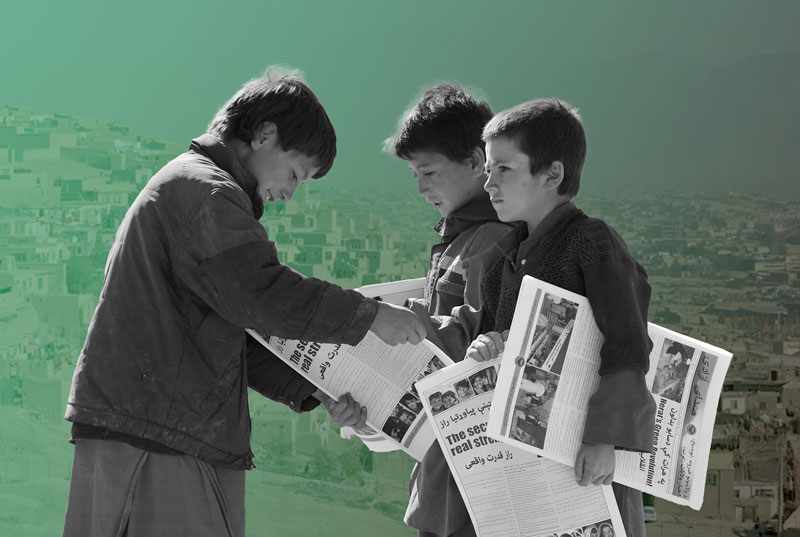
Citing data from the Taliban’s Ministry of Education, the study said Afghanistan now has 22,972 religious schools, with over three million students enrolled. Before the Taliban takeover in 2021, there were about 5,000. Over the past four years, the group has built just 269 modern schools, meaning that for every new modern school, 85 religious schools have been established.
The report, based on interviews with more than 700 people, including 600 women across 14 provinces, found that the majority believe Afghan society has become more extremist since the Taliban returned to power.
The study urged Muslim-majority countries and religious scholars to challenge Taliban distortions of Islam and reject the misuse of Sharia to justify “gender apartheid.” It also called on UN member states to integrate gender extremism into global counterterrorism policies and to support Afghan women, girls, and civil society through funding and access to decision-making platforms.
Speaking at the event, UN Special Rapporteur on Human Rights in Afghanistan Richard Bennett said that the Taliban’s focus on jihadist and religious schools is undermining the future of Afghanistan. He said the group has turned religion into a tool to control the population, particularly women and girls, who live under the “yoke” of Taliban policies.
Bennett highlighted the Taliban’s “Law on the Promotion of Virtue and Prevention of Vice,” describing it as part of a calculated strategy to entrench Taliban control by enforcing a “rigid and oppressive” social order. He said the law is both a symptom and a tool of Taliban oppression.
He added that rising poverty, limited education and employment opportunities, and further restrictions on rights and freedoms increase the threat of radicalization, with implications for regional and global security. Bennett called for a comprehensive international response, including investigative mechanisms, recognition of gender apartheid as a crime against humanity, and strengthened support for civil society, particularly women-led organizations.
Other speakers at the event, including Afghan civil society members, activists, former government officials, and scholars, echoed these concerns, urging the UN and international community to act before the situation deteriorates further.