

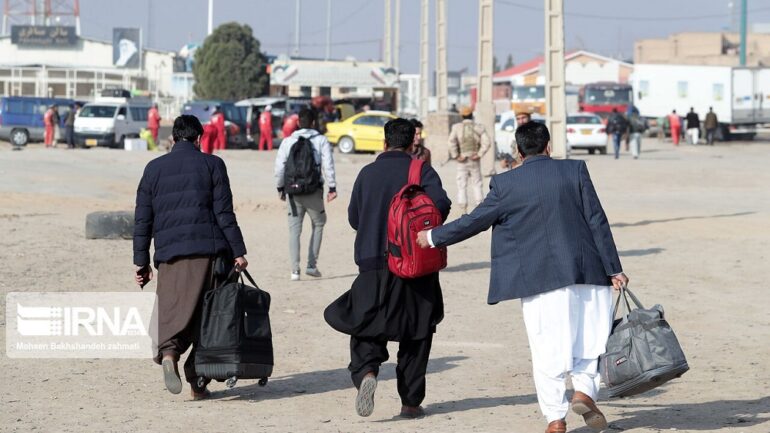

KABUL, AFGHANISTAN – More than 581,000 Afghan nationals have returned to Afghanistan from Iran so far in 2026, the U.N. refugee agency (UNHCR) said, amid an ongoing crackdown on Afghan migrants.
In a report published on Thursday, UNHCR said 581,600 Afghans crossed back from Iran between January 1 and October 3. Of these, 492,300, or 85%, were forcibly deported.
The figures follow a larger wave in 2025, when more than 1.9 million people returned or were deported from Iran, including about 1.26 million deportations, according to the agency.
Returns accelerated after headcount slips held by an estimated 2 million Afghans expired in March 2025. Iranian authorities subsequently launched a regularization and return program that required holders of the documents to undergo assessments determining whether they could remain in the country, UNHCR said.
The UN agency warned that large-scale returns were placing pressure on basic services, housing and livelihoods in Afghanistan, straining host communities and increasing the risk of instability and further migration. It added that conflicts across the Middle East had further complicated the situation.
Iran hosted one of the world’s largest Afghan migrant populations, estimated at more than 5 million people — both documented and undocumented — who fled decades of conflict, political instability and economic hardship. In recent years the country has stepped up deportations amid rising regional tensions, including its recent conflict involving the United States and Israel.
A similar campaign continues in neighboring Pakistan, where authorities continue to arrest and remove undocumented Afghans. The UN estimates that more than 6.4 million Afghans have returned from Pakistan and Iran over the past three years.
The mass returns occur as Afghanistan faces a severe humanitarian crisis under Taliban rule, with millions dependent on aid. Women and girls remain barred from secondary and higher education and largely excluded from the workforce under restrictions imposed since 2021.
U.N. agencies, human rights groups and Afghan activists have called for returns to be voluntary, safe and dignified, citing limited access to food, healthcare, shelter and other basic services for returnees, as well as restrictions on fundamental rights.

