

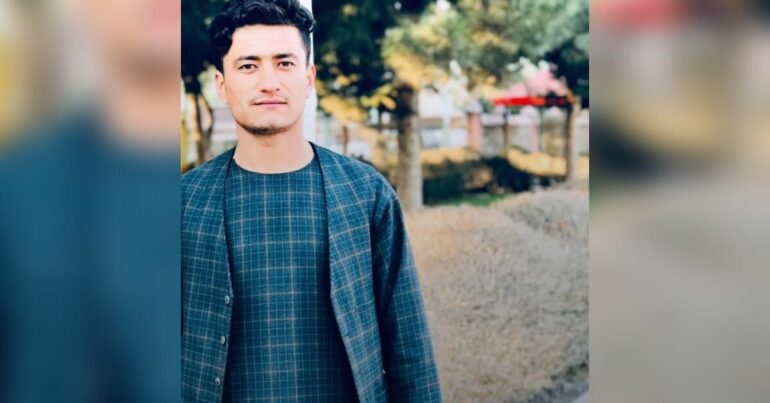

KABUL, AFGHANISTAN – Local sources in Faryab province have reported the suicide of a 25-year-old man in Andkhoy district.
According to the sources, the young man, identified as Nasibullah, died by suicide today (Monday, July 6) in the Aq Masjid area of Andkhoy district.
Sources said that the man was married and that his wife is pregnant.
The reason for his suicide remains unknown, and the local Taliban authorities have not yet commented on the incident.
Since the Taliban’s return to power, reports indicate a significant increase in suicides among young women and men across various provinces of Afghanistan.
Hopelessness about the future, poverty, unemployment, and mental health challenges are cited as the main factors contributing to suicide among young people.
Incidents such as this have raised growing concerns among observers and humanitarian organizations about the worsening mental health situation in Afghanistan, where prolonged economic hardship, uncertainty, and limited access to mental health services continue to affect vulnerable communities, particularly young people.
In a previously reported case from Nangarhar province in eastern Afghanistan, four weeks ago, a medical student at Nangarhar University, identified as Fazl Azim, died by suicide in the Angor Bagh area of Jalalabad’s fourth district. Local sources attributed the incident to economic hardship, while Taliban authorities did not comment on the case.
Afghanistan’s mental health crisis has deepened in recent years. A Gallup survey conducted in 2023 found that 98% of Afghans experience psychological distress — among the highest rates globally. Women and girls face even greater mental strain as they are barred from education, employment, and public spaces such as parks and gyms.
Investigations by Etilaatroz and KabulNow found that at least 213 people, mostly under the age of 20, took their own lives in 2023. The true figure is believed to be higher, as many cases go unreported due to Taliban restrictions on media and the stigma surrounding mental health in Afghanistan.

