


KABUL, AFGHANISTAN – U.S. Secretary of State Marco Rubio confirmed that more than 1,100 Afghan refugees who are waiting in Qatar for resettlement in the United States will be relocated to third countries.
Speaking on (Monday, June 1) before the U.S. Senate Foreign Relations Committee, Rubio responded to a question from Senator Chris Coons and said that following an attack on members of the U.S. National Guard, an executive order was issued under which no Afghan citizen is permitted to enter the United States.
He said that the United States is currently in discussions with several countries about accepting these individuals and is seeking a suitable and safe location for their resettlement.
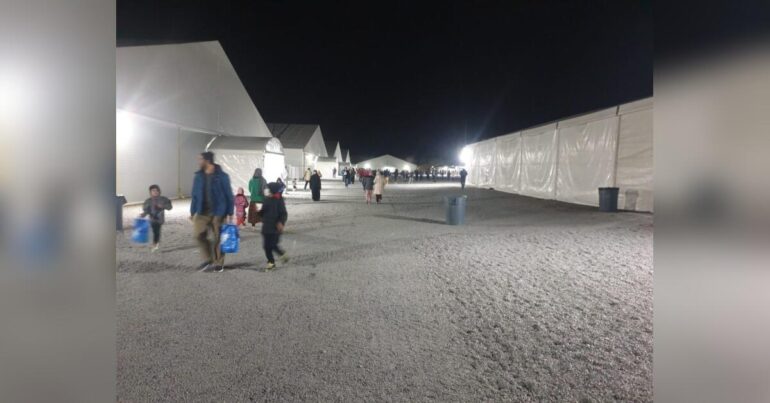
The New York Times, citing US officials, reported earlier that the US government is considering relocating more than 1,100 Afghans who have been in limbo for over a year at Camp As Sayliyah, a former US military base in Qatar, to the Democratic Republic of the Congo. The group includes former Afghan special forces members, interpreters, and their families, including hundreds of women and children.
According to The New York Times, those stranded in Qatar include interpreters and former employees of U.S. forces in Afghanistan, and more than 400 children are among them.
Shawn VanDiver, head of AfghanEvac, an organization that works to relocate Afghan refugees to the United States, told The New York Times that these refugees would be given a choice: either return to Afghanistan and live under Taliban rule or be transferred to Congo, a country facing one of the world’s worst humanitarian crises.
In 2024, the U.S. government transferred more than 1,100 former Afghan partners of its military forces to a military base in Doha, Qatar. These individuals were expected to be relocated and resettled in the United States after undergoing additional security screening.
However, following the U.S. government’s decision to suspend the admission of Afghan nationals, these refugees have been left in a state of uncertainty.
Building on the ongoing concerns surrounding Afghan evacuees stranded in Qatar, a separate development one month ago highlighted growing political opposition within the United States to any relocation plan involving third countries.
Specifically, a group of 29 U.S. senators urged the Trump administration to halt proposals to transfer more than 1,000 Afghan nationals from Qatar to the Democratic Republic of Congo. In a letter dated April 28 to Secretary of State Marco Rubio, the lawmakers expressed being “profoundly alarmed” by reports of the plan, warning that Congo is currently facing active conflict and a severe humanitarian crisis.
Furthermore, the senators—including Richard Blumenthal, Dick Durbin, Tim Kaine, John Hickenlooper, Ruben Gallego, John Fetterman, and Mark Kelly—emphasized that many of the affected individuals previously served alongside U.S. forces in Afghanistan as interpreters, special operations partners, or support staff. Therefore, they argued that relocating them to an unstable environment would place their lives and security at serious risk, intensifying calls for safe and responsible resettlement solutions.
The situation highlights the growing challenges facing Afghan refugees who remain stranded in transit countries while awaiting permanent resettlement. Human rights advocates and refugee support organizations have repeatedly called for durable solutions that ensure the safety, legal protection, and long-term stability of Afghans who assisted international missions and now face uncertain futures.

