

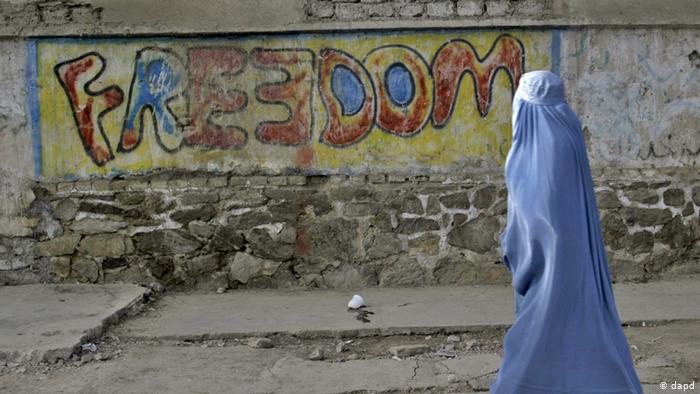

KABUL, AFGHANISTAN – Representatives of 41 UN member states have condemned the Taliban’s “systematic oppression” and discrimination against women and girls in Afghanistan, urging stronger international backing for accountability mechanisms.
In a joint statement delivered to the 62nd session of the UN Human Rights Council, the countries said the Taliban’s treatment of women and girls violates principles of international law. Afghanistan’s representative in Geneva, Nasir Ahmad Andisha, presented the statement on their behalf.
The statement, shared by Andisha on X on Friday, highlighted that for the fifth consecutive year, girls have been deprived of education while women face bans on work, healthcare access, public life, civic participation, and humanitarian aid. It cited arbitrary arrests, harassment by the moral police, censorship, and violence as tools of repression.
The countries pointed to Taliban decrees, including Decree 12, which they said normalizes domestic violence, and Decree 18, which permits child marriage, as intensifying violations of women’s and girls’ rights.
“We call on the international community to support and strengthen the Special Rapporteur and the IIM-A Independent Accountability Mechanism – Afghanistan,” the statement said, adding that restoring the rights and dignity of Afghan women and girls must be central to international engagement with the country.
Since regaining power after the withdrawal of foreign forces, the Taliban have imposed sweeping restrictions on women, including bans on secondary and university education, limits on travel without a male guardian, and prohibitions on working in many sectors, including most non-governmental organizations.
The Taliban have also dismantled institutions aimed at protecting women and replaced the former Ministry of Women’s Affairs with the Ministry for the Promotion of Virtue and Prevention of Vice.
UN experts, rights organizations, and activists have repeatedly warned that the Taliban’s policies amount to institutionalized gender discrimination, with some describing them as “gender apartheid.”
The Taliban have defended their measures as consistent with their interpretation of Islamic law and rejected international criticism as interference in Afghanistan’s internal affairs.

