

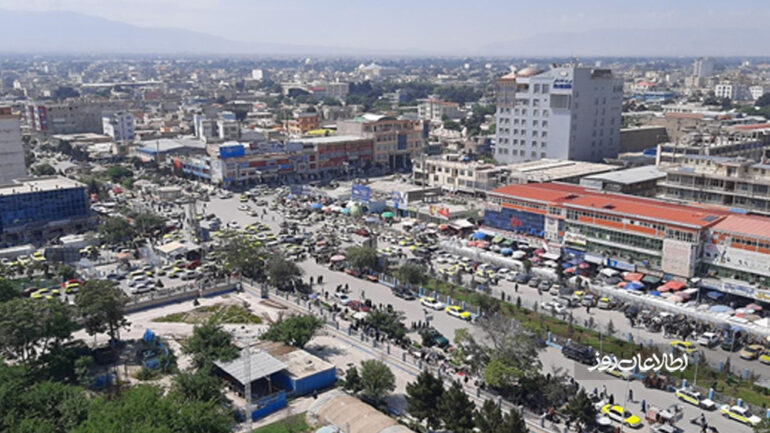

KABUL, AFGHANISTAN – Local sources in Balkh province say a couple were beheaded during the night in Mazar-i-Sharif, the provincial capital.
According to the sources, the incident occurred last night (Sunday, June 28) in the Karte Noor Khuda area of the city’s eighth police district.
According to the information provided by the sources, the woman and her husband were beheaded with a knife by the woman’s former husband.
Sources said the woman had divorced her former husband and married another man about three months ago. However, her former husband allegedly entered their home last night and beheaded both of them with a knife.
The identities of the victims have not yet been established, and the Taliban’s local authorities in Balkh have not commented on the incident so far.
This comes at a time when most women in Afghanistan are victims of domestic violence.
Afghanistan has long struggled with widespread domestic abuse, which rights groups say has worsened since the Taliban returned to power in 2021. Restrictions on women’s rights, the closure of women’s shelters, and the dismantling of judicial and institutional safeguards have left women and girls increasingly vulnerable to violence.
All women’s protection centers that operated under the previous government have been closed, and access to legal recourse for victims has been limited, further reducing support for women and girls experiencing abuse.
Between January 2022 and June 2024, Afghan Witness, a human rights monitoring initiative, documented at least 840 cases of violence against women and girls, including 332 killings. Experts warn the real figure is likely far higher, as many incidents remain unreported due to stigma and fear of retaliation.
In many parts of Afghanistan, cases of domestic violence remain underreported due to fear, social stigma, and lack of institutional support. Human rights organizations have repeatedly expressed concern over the absence of independent mechanisms for protecting women and handling such cases, especially since the dissolution of specialized support structures, which has further increased vulnerability for women facing abuse.

