


KABUL, AFGHANISTAN – Afghan journalists now make up nearly half of all journalists forced into exile worldwide since the Taliban returned to power in 2021, Reporters Without Borders (RSF) said in a report released ahead of World Refugee Day.
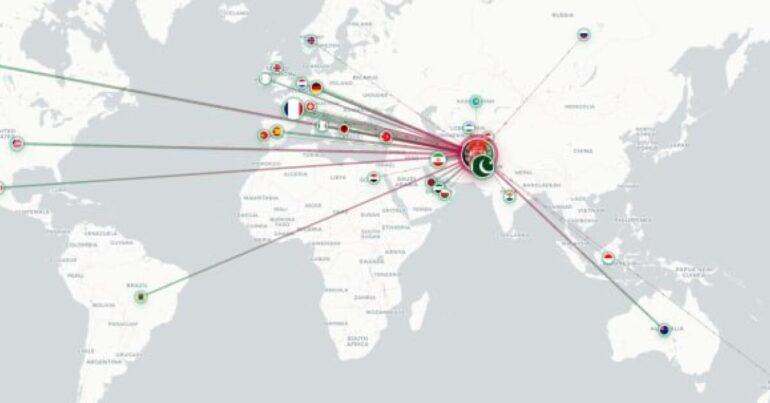
RSF said it supported 1,468 journalists from at least 65 countries between 2021 and 2025 who fled threats, imprisonment or death. Of those, 677 were Afghan, making Afghanistan by far the largest source of exiled journalists assisted by the organization.
“Afghanistan has become the global epicentre of journalist exile since the fall of Kabul on 15 August 2021. In five years, 677 Afghan journalists have fled their country with RSF’s support, accounting for nearly half of the cases recorded by RSF’s assistance programme,” the watchdog said.
“Now scattered across 28 countries, they represent one of the greatest exoduses of independent journalists in recent history,” it added.
According to the report, the largest wave of departures from Afghanistan occurred in 2022, when 183 journalists fled. The outflow continued in subsequent years, including 82 journalists in 2025. The organization said the actual number of Afghan journalists in exile is likely higher, as many cases remain unrecorded.
RSF highlighted that even after escaping the Taliban, many journalists remain vulnerable in host countries. In Pakistan, a major transit country, mass deportations of Afghan refugees since 2023 have forced at least 50 journalists back to Afghanistan. Residence visas for others are rarely renewed, pushing them into illegal status.
“After spending a whole day in a Pakistani police detention centre, I was forced to pay 115,000 Pakistani rupees [around 350 euros] to avoid deportation and secure my release. In early February, my landlord asked me to leave the property,” an Afghan reporter living as a refugee in Islamabad told RSF in March 2026.
Inside Afghanistan, the Taliban continue to restrict media. At least five journalists remain in detention, according to RSF data.
“For Afghan journalists, the choice becomes more limited with each passing year: disappear from the media landscape, go into exile, or risk detention,” the watchdog said.
Since regaining power in August 2021, the Taliban have imposed sweeping restrictions on independent media. They have conducted repeated raids on newsrooms, forced the closure of numerous outlets, and arrested dozens of journalists and media workers. Hundreds of journalists and activists fled the country in the immediate months after the takeover, fearing persecution, torture or imprisonment.
The RSF report shows journalist exile worldwide has expanded sharply, with the number of affected countries doubling from 19 in 2021 to 40 in 2025. While Afghanistan dominates the figures, significant displacement has also been recorded from Russia (160 journalists), Myanmar (more than 100 journalists), countries in the Sahel region, and parts of Latin America affected by political instability and organised crime.
The watchdog called on governments to provide exiled journalists with stronger protections, including long-term visas, safeguards against deportation, financial assistance and integration support. It described exiled journalists as “the last line of defence against disinformation and propaganda.”

