

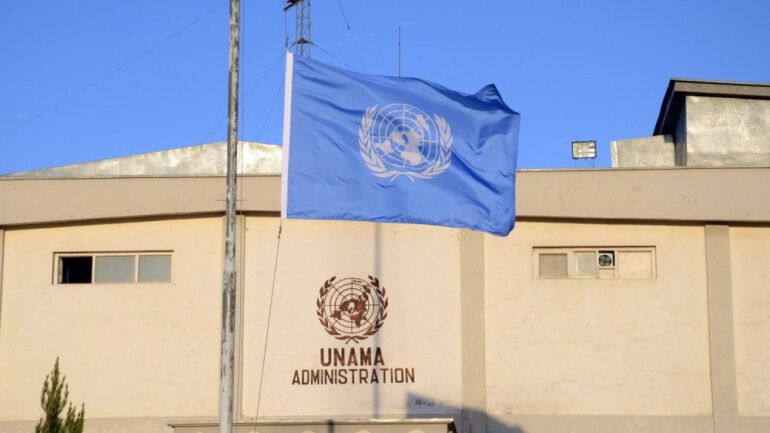

KABUL, AFGHANISTAN – A policy memo based on consultations with Afghans inside and outside the country has called on the UN Security Council to extend UNAMA’s mandate for one year and urged the appointment of a politically influential new Special Representative to advance an inclusive and rights-based political process in Afghanistan.
The memo, authored by Ali Yawar Adili following consultations through the Afghanistan Dialogue and Visioning Process, says the United Nations Assistance Mission in Afghanistan (UNAMA) should remain in the country until Afghanistan has an “inclusive, legitimate, elected and internationally recognized government.”
The recommendations come as UNAMA operates under a three-month mandate extension. On March 16, the Security Council extended the mission’s mandate for three months and requested the UN Secretary-General to appoint a new Special Representative to head the mission. The memo calls for a one-year extension of UNAMA’s mandate and a strengthened political role for the mission.
On the appointment of a new Special Representative of the Secretary-General, the memo urges Secretary-General António Guterres to act quickly and prioritize “competency and political clout” over regional, cultural or other identity considerations.
It also recommends selecting a representative “from outside of the immediate regions surrounding Afghanistan with significant stakes in the country’s status quo,” saying this would reduce vulnerability to potential conflict of interest.
The position has remained vacant since September 2025, when the term of former UNAMA head Roza Otunbayeva ended. Georgette Gagnon, UNAMA’s Deputy Special Representative for Political Affairs, has since served as officer-in-charge of the mission.
The memo says UNAMA and the new representative should be mandated to advance recommendations contained in the UN Independent Assessment endorsed by the Security Council in 2023, including movement toward a structured political process.
It calls for engagement with non-Taliban Afghan political and civil society groups, particularly a newer generation of leaders, and proposes that UNAMA focus on engagement inside Afghanistan while a UN mechanism outside the country engage diaspora-based Afghan stakeholders.
The memo also argues that cooperation with the Taliban on technical issues, including counternarcotics and the private sector, should be linked to political engagement and respect for human rights. It says the Taliban have used participation in technical working groups under the Doha process to avoid political dialogue.
The call comes as the Security Council is expected to discuss Afghanistan in June, before UNAMA’s current mandate expires on June 17. The memo says the mission’s continued presence is necessary but argues that its future effectiveness will depend on a stronger political mandate and a new representative empowered to pursue inclusive dialogue and human rights.

